
By the CS Minerals Wholesale Team · Last updated
You can find wholesale gemstone jewelry through five main routes: jewelry manufacturers and workshops, brand wholesalers and showrooms, trade shows, online B2B platforms, and suppliers based where the stones are mined who also run a jewelry line. For a boutique, the right supplier is the one whose metal quality, stone disclosure and minimum order fit your price point. Check those three things before you look at designs.
Gemstone jewelry is one of the easiest ways for a boutique or crystal shop to raise the average sale. It is also a category where mislabeled metals and undisclosed stone treatments cause real returns and complaints. This guide covers where to source, what to check, and which labeling rules to watch in the main markets.
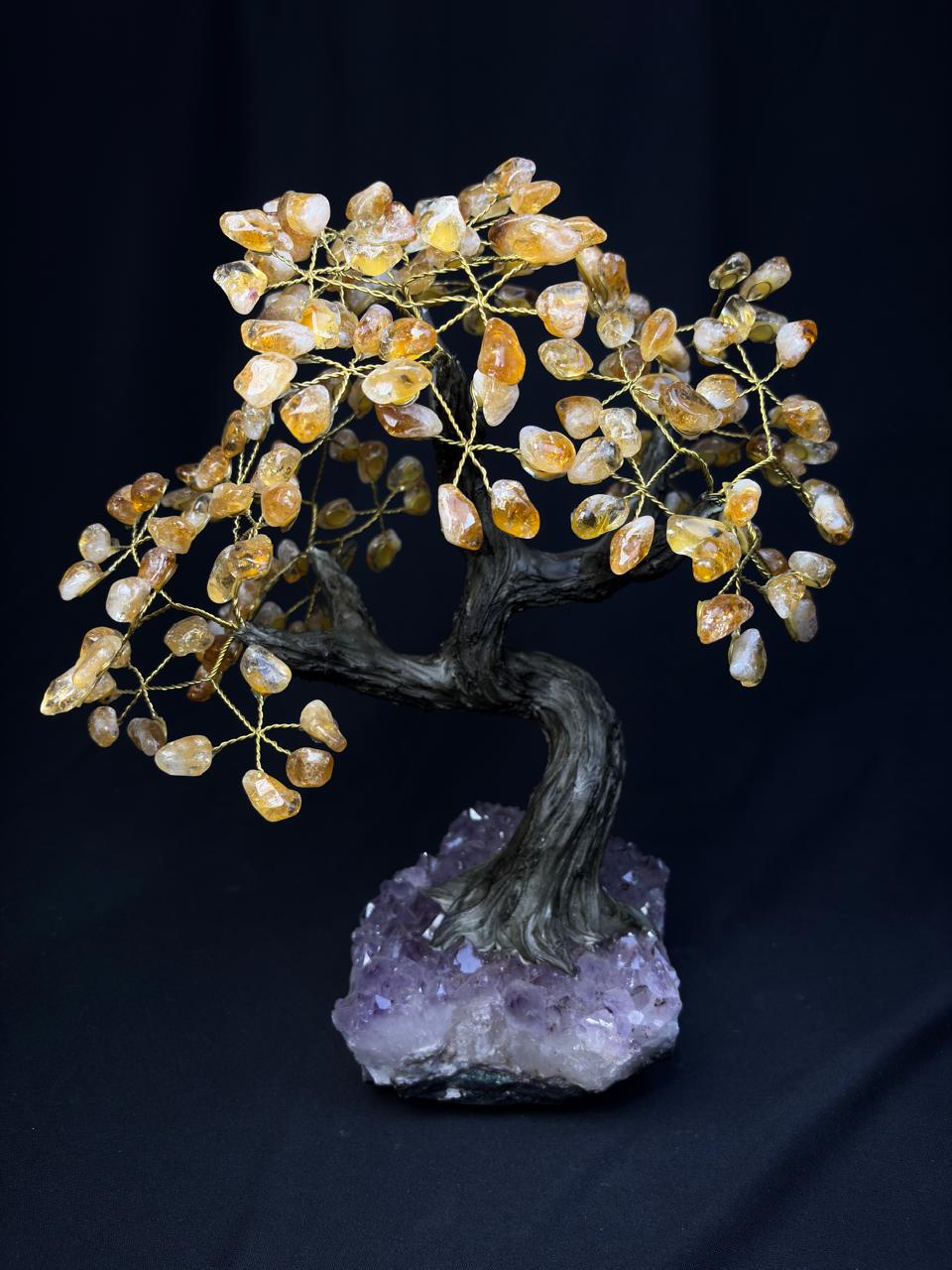
Where to Find Wholesale Gemstone Jewelry: The Main Supplier Types
Each type of supplier offers a different balance of price, uniqueness and minimum order.
| Supplier type | Typical minimum | Price level | Strength | Watch out for |
|---|---|---|---|---|
| Manufacturer or workshop | Medium to high per design | Low to medium | Custom and private label options | Long lead times, larger minimums |
| Brand wholesaler or showroom | Low to medium | Medium to high | Ready-made collections, marketing support | Lower margin, less exclusivity |
| Trade show exhibitors | Varies | Varies | See and handle many ranges at once | Travel cost, impulse orders |
| Online B2B platforms | Low | Wide range | Easy testing of new styles | Unclear metal content, fake stones |
| Origin supplier with a jewelry line | Often low | Low to medium | Stone knowledge, origin story | Check metal standards and finishing |
Manufacturers and workshops
Working directly with a maker gives you the best price per piece and the option to create your own designs or private label. The trade-off is higher minimums per design and longer lead times, since pieces may be made to order.
Brand wholesalers
Established jewelry brands that sell to retailers offer finished collections, display material and sometimes marketing support. You pay more per piece, and other shops in your area may carry the same designs.
Origin suppliers with jewelry lines
Some stone wholesalers in producing countries also run a jewelry line. Their advantage is stone knowledge: they know which amethyst is heated, which agate is dyed, and where the material came from. That makes disclosure easier for you.
Which Metals Should Boutique Jewelry Use?
The metal decides durability, allergy risk, legal labeling and price. Get the terms right before you order.
Common metals and finishes
- Sterling silver (925): 92.5% silver. Popular for gemstone jewelry, affordable and widely accepted.
- Solid gold (for example 9k, 10k, 14k, 18k): the karat shows the gold content. Minimum karat rules for calling an item “gold” vary by country.
- Gold vermeil: a layer of gold over sterling silver. In the US, the FTC sets minimum standards for using this term.
- Gold-filled: a thicker layer of gold bonded to a base metal. More durable than plating.
- Gold-plated: a thin layer of gold over a base metal such as brass. Cheapest, but wears over time.
- Stainless steel and titanium: durable, often chosen for hypoallergenic ranges.
Nickel and skin safety
The EU and UK restrict nickel release from items in prolonged contact with skin, and many customers react to nickel. Ask suppliers whether their pieces comply with the nickel rules in your market and request written confirmation for base metal and plated items.
Matching metal to price point
A boutique selling mid-range gifts often does well with sterling silver and good quality plating. A shop aiming higher may mix sterling silver with solid gold statement pieces. What matters most is that the label matches the metal, every time.
How Do You Judge Stone Quality in Gemstone Jewelry?
In wholesale gemstone jewelry, the stone is often the reason a customer buys. It is also where quality varies most between suppliers.
What to check on every sample
- Color consistency: stones in matching earrings or a production run should look alike.
- Setting security: prongs should hold the stone firmly; bezels should be even and closed.
- Cut and polish: no chips at edges, no dull or scratched surfaces.
- Real stone versus glass: look for bubbles and swirl lines with a loupe, and be wary of perfect uniformity at very low prices.
- Treatment disclosure: heated citrine, dyed agate or stabilized turquoise should be stated in writing.
Common stones in boutique jewelry
Brazilian stones such as amethyst, citrine, rose quartz, clear quartz, smoky quartz, agate and tourmaline are staples of gemstone jewelry because they combine color, durability and accessible price. Quartz family stones sit around 7 on the Mohs scale, which makes them practical for everyday rings and pendants. Softer stones need more protective settings.
Disclosure travels with the piece
If a supplier tells you a stone is heated or dyed, carry that information onto your tags and product pages. Our guide on crystals found in Brazil explains the main Brazilian materials and how they are typically sold.
What Minimum Orders Should You Expect?
Minimum order quantities (MOQ) vary widely in gemstone jewelry, and they shape how much variety you can offer.
Typical MOQ structures
- Per order value: a minimum total spend, which lets you mix many designs.
- Per design: a minimum number of units of each style, common with manufacturers.
- Per size or color: for rings and stones in several colors, sometimes a minimum per variant.
- Custom or private label: higher minimums, since molds and setup cost money.
How to test without overbuying
Start with a small order across several designs, then reorder the ones that sell. Suppliers with a minimum by order value, rather than by design, make this much easier. Record sell-through by style and stone so your second order is based on data, not guesses.
Planning inventory by price tier
A simple approach is to stock three tiers: entry pieces for impulse buys, mid-range pieces for gifts, and a few statement pieces that raise the perceived value of the whole display. Our article on how to price crystals to sell covers markup logic that applies to jewelry as well.
UK Hallmarking and Other Labeling Rules
Precious metal and consumer labeling rules differ by market. These are the main points boutiques should check, always against the current official guidance.
United Kingdom: hallmarking
Under UK law, items described as gold, silver, platinum or palladium generally need a hallmark from a UK Assay Office, or a recognized convention hallmark, once they are above certain weight thresholds. The thresholds differ by metal, and some very light items are exempt. Check the current thresholds with one of the UK Assay Offices before you import or sell precious metal jewelry, and ask your supplier whether pieces can be sent for hallmarking.
United States: FTC Jewelry Guides
In the US, the FTC Guides for the Jewelry, Precious Metals and Pewter Industries cover how metals such as gold, vermeil and silver may be described, and when gemstone treatments should be disclosed. Many retailers use them as a checklist for tags and product pages.
EU and Australia
EU countries apply consumer protection and product safety rules, including the nickel restriction, and some member states have their own precious metal marking systems. Australia’s consumer law, enforced by the ACCC, prohibits misleading descriptions. In every market, describe metals and stones accurately and avoid health claims.
Claims about stones
Do not present healing or health effects of gemstone jewelry as facts. Meanings can be described as what a stone is “traditionally associated with”. This keeps your listings in line with advertising rules in the US, UK and Australia. See our guide on whether you need a license to sell crystals for more compliance basics.
How to Vet a Wholesale Gemstone Jewelry Supplier
Before placing a real order, run every new supplier through the same short checklist.
- Company details: a verifiable business name, address and contact person.
- Metal specification in writing: exact alloy, plating type and thickness if relevant.
- Stone disclosure in writing: natural, treated, synthetic or imitation, and the treatment.
- Samples: order a few pieces first and wear or test them for a few weeks.
- Packaging and presentation: how pieces arrive, and whether retail packaging is available.
- Terms: payment, shipping, lead times, defect and return policy.
- Communication: response time and clarity during the sample stage predict the rest of the relationship.
Red flags
- “Silver” or “gold” with no alloy or plating details.
- Stones described only by trade names such as “cherry quartz” without saying what they are.
- Prices far below the cost of the metal content alone.
- No written answer about treatments or nickel compliance.
Combining Crystals and Gemstone Jewelry in One Shop
Crystal shops and boutiques that sell both raw stones and jewelry often see the two categories support each other. A customer drawn in by an amethyst cluster may leave with an amethyst pendant.
Why the combination works
- The same stone story sells both products, so staff training is simpler.
- Jewelry adds higher-value, small-footprint items to a display dominated by heavy pieces.
- Matching stones across categories creates natural bundles and gift sets.
Consolidating suppliers
Buying stones and jewelry from a supplier that handles both can simplify shipping and paperwork. It also means a single contact who understands the materials in both forms.
Wholesale Gemstone Jewelry and Stones from Soledade
CS Minerals is a Brazilian wholesaler based in Soledade, Rio Grande do Sul, widely known as Brazil’s agate capital, with 25 years of experience in the stone trade. Its sister jewelry line, BTO Joias, operates from the same headquarters, under the shared “CS Minerals and BTO Joias” signage.
For boutiques that sell both crystals and jewelry, that means one origin for Brazilian amethyst, citrine, agate, quartz and more, plus a jewelry line built by people who work with the stones every day. The CS Minerals minimum order is US$100, with international shipping on wholesale orders and live selling from the warehouse, Monday to Friday, 8am to midnight Brazilian time, on Instagram @csminerals. Ask the team about current BTO Joias availability for your market.
Frequently Asked Questions
Where can I buy wholesale gemstone jewelry for my boutique?
The main sources are manufacturers and workshops, brand wholesalers, trade shows, online B2B platforms and origin suppliers with their own jewelry lines. Most boutiques combine two of them. Choose based on metal quality, stone disclosure and minimum order, not only on design.
What metal is best for wholesale gemstone jewelry?
Sterling silver is the most common choice for mid-range gemstone jewelry because it balances cost, durability and customer acceptance. Solid gold suits higher price points, while plated pieces fit entry prices. Whatever you choose, label the metal accurately.
Do I need to hallmark jewelry in the UK?
In general, items sold as gold, silver, platinum or palladium in the UK must be hallmarked above certain weight thresholds. The thresholds differ by metal, and some light items are exempt. Check the current rules with a UK Assay Office before selling.
More Questions
How can I tell if gemstones in wholesale jewelry are real?
Inspect stones with a loupe for bubbles or swirl marks that suggest glass, and be cautious of perfect uniformity at very low prices. Ask the supplier to state in writing whether stones are natural, treated, synthetic or imitation. For expensive pieces, consider testing by a gemologist.
What is a typical minimum order for wholesale gemstone jewelry?
It varies widely. Some suppliers set a minimum total order value, others a minimum number of units per design, and custom work usually has higher minimums. Start with a small mixed order and reorder what sells.
Can I make health claims about gemstone jewelry?
No, you should not present healing or health effects as facts. Advertising regulators in the US, UK and Australia treat unsupported health claims as misleading. You can describe what a stone is traditionally associated with, clearly framed as tradition or belief.
Source Brazilian Stones and Jewelry from One Origin
If your boutique sells gemstone jewelry alongside crystals, sourcing both close to the stone’s origin makes disclosure and storytelling easier. CS Minerals brings 25 years of experience from Soledade, a US$100 minimum order, worldwide shipping on wholesale orders, weekday live selling from the warehouse and the BTO Joias sister line. Learn how to place an order on our how to order wholesale page or contact the team.