
By the CS Minerals Wholesale Team · Last updated
Are Costco gemstones real? In general, yes: large, established retailers like Costco sell natural and lab-grown stones that are described as such, and Costco publishes how it documents its diamond jewelry. The real question for a shopper is not “real or fake” but which kind of real it is: natural or lab-grown, treated or untreated, and what grade. For independent retailers, the more useful question is why big-box jewelry can be priced so low, and what that means for your own shop.
Big-box retailers have changed customer expectations about price. A shopper who has seen a diamond pendant at a warehouse club will walk into your store with that number in mind. Understanding how that price is built, and where a big-box model cannot compete, helps you position your stock instead of racing to the bottom.
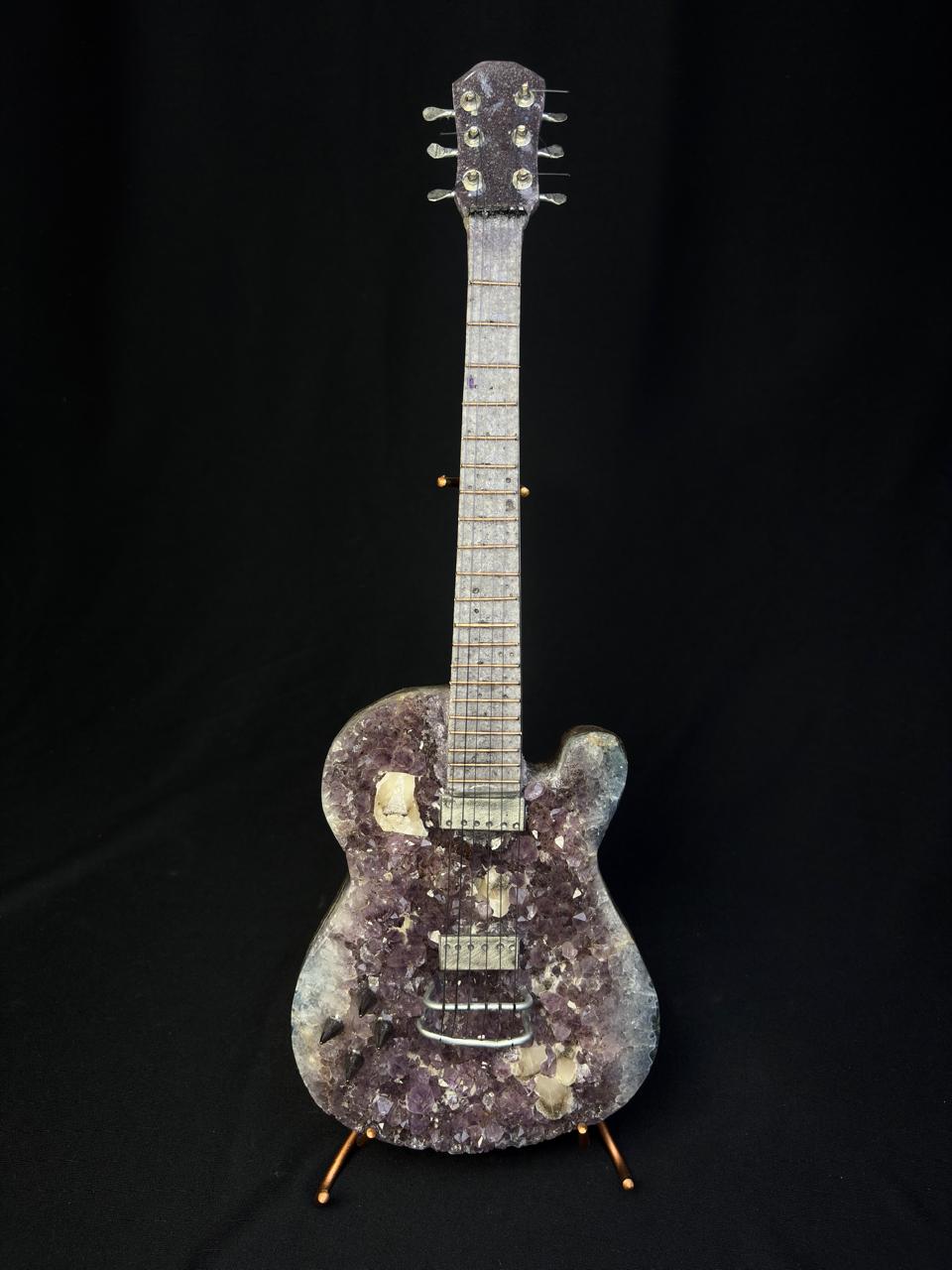
Are Costco Gemstones Real? What the Listings Tell You
A mass retailer with a national reputation has strong reasons to describe stones accurately. In the US, the FTC Jewelry Guides set expectations for how gemstones, lab-grown stones and treatments are described, and a large chain is an easy target for complaints if it gets this wrong. So the stones are generally what the listing says they are.
What Costco says about diamond documentation
According to Costco’s own customer service page for Costco.com jewelry orders, at the time of writing, diamond pieces with a center stone of 1.00 carat or more come with a GIA Diamond Grading Report plus a jewelry report, while smaller diamond pieces come with an Article of Description written by a Costco gemologist with a GIA degree. Store policies can change and may differ between online and warehouse sales, so check the current page and the specific listing.
What to read on any big-box listing
- Natural or lab-grown: the listing should say “lab-grown,” “laboratory-created” or similar if the stone is not mined.
- Treatment: many colored gemstones are heated or otherwise treated. Look for a treatment note or ask.
- Total carat weight vs center stone: “ctw” means the total of all stones in the piece, not one stone.
- Grade: for diamonds, color and clarity grades; for colored stones, a general quality description.
- Documentation: a lab report, a retailer description, or nothing at all.
The stones being real does not mean every piece is a bargain or a rare find. Big-box jewelry is typically chosen for broad appeal and consistent grades, not for the unusual.
How Are Costco Diamonds So Cheap?
This is one of the most common follow-up questions, and the answer is mostly about the business model, not about the stones being lower quality. Several factors stack up.
A low-markup, membership model
Costco is widely reported to keep its markups well below typical retail levels, and membership fees make up a large share of its operating profit. When a retailer earns much of its profit from memberships, it can sell merchandise, including jewelry, on thin margins. Traditional jewelers have no membership income, so their margin has to come from the product.
Volume buying and a narrow selection
A national chain buys in quantities that give it leverage with suppliers. It also tends to offer a curated, limited range of styles and grades rather than hundreds of options. Standardized products are cheaper to source, stock and sell.
Lower selling costs per piece
A warehouse jewelry case does not come with long consultations, custom design, resizing on the spot or a dedicated showroom. Traditional jewelers carry those costs, and they show up in the price. That is not a criticism of either model. They are selling different things.
Grades chosen for value
Mass retailers often favor grades that look good to the eye at a friendly price, rather than the top of every scale. Two diamonds of the same weight can differ a lot in price depending on color, clarity and cut, and a big-box buyer chooses where on that curve to sit.
The lab-grown effect
Lab-grown diamonds have become much cheaper as production has grown. Wherever they are sold, they pull down what shoppers expect to pay for “a diamond,” even when they are comparing against natural stones. Retailers of every size now have to explain the difference clearly.
Big-Box, Independent Jeweler and Crystal Shop Compared
Each model wins in a different place. The table below is a general comparison, not a rating of any specific business.
| Factor | Big-box retailer | Independent jeweler | Crystal or mineral shop |
|---|---|---|---|
| Price on standard items | Very competitive | Usually higher | Varies widely |
| Selection | Narrow, standardized | Broad, custom options | Broad, often one of a kind |
| Expert advice | Limited at the counter | High | High for specialists |
| Unique pieces | Rare | Common with custom work | Core of the offer |
| Story and origin | Minimal | Moderate | Strong when sourced near origin |
| Main profit source | Volume, memberships | Margin and services | Margin on curated stock |
What Big-Box Jewelry Pricing Teaches Independent Retailers
If a shopper can compare your price to a warehouse club in ten seconds on a phone, you will not win on price for standardized items. The lesson is to stop selling the same thing they sell.
Lesson 1: Do not fight on commodities
Plain diamond studs, simple tennis bracelets and basic pendants are commodities. A customer can compare specs directly. Stock a few for convenience if you like, but do not build your shop around them.
Lesson 2: Sell what cannot be compared
A one-of-a-kind amethyst cathedral, a natural citrine point with a clear label, a sliced agate geode from Brazil or a mineral specimen with a known locality has no direct comparison. Price becomes a conversation about the piece, not a search result.
Lesson 3: Be the expert in the room
Big-box counters do many things well, but long, expert explanation is not their model. An independent shop that can explain the difference between natural and heat-treated citrine, or show why a specimen is special, gives the customer something they cannot get in a warehouse aisle.
Lesson 4: Disclose better than anyone
Clear labels on treatment, origin and material are a competitive advantage. Customers are increasingly informed and suspicious. The shop that tells them plainly what each stone is earns trust that outlasts a price comparison.
Lesson 5: Make the visit worth the trip
A warehouse club is efficient. Your shop can be memorable. Good lighting, a few spectacular statement pieces, the chance to hold a heavy geode, and staff who remember what a regular customer collects all build a reason to come back that has nothing to do with price. Live video selling and social media extend that experience to customers who never walk in.
What to Say When a Customer Mentions Costco
Sooner or later a customer will hold up a phone and say, “I saw something like this at Costco for less.” How you answer decides whether you keep the sale or lose trust. Arguing about the other store almost never works. Explaining your own product does.
Acknowledge, then compare like with like
Start by agreeing that big-box stores can offer good value on standard pieces. Then help the customer compare correctly. Is their example natural or lab-grown? What is the total carat weight versus the center stone? What grade is it? Very often the two items are not the same product at all.
Explain what your price includes
Be specific. “This amethyst cluster is a single natural piece from Brazil, and it is the only one like it here.” “This citrine is labeled as heat-treated amethyst so you know exactly what you are buying.” “We can resize, clean and help you choose a display stand.” Concrete details beat general claims about quality.
Offer a path at their budget
If the price gap is the real issue, show something in your entry tier rather than discounting the piece they liked. A customer who leaves with a smaller natural stone and a good experience is more likely to return than one who felt pressured.
- Never criticize another retailer’s products. You rarely know the details, and it sounds defensive.
- Never make claims about another store’s stones that you cannot prove.
- Always bring the conversation back to what is in front of the customer.
How to Price When Customers Compare You to Costco
Your pricing should reflect your costs and your offer, not the lowest number a customer has seen. A few principles help.
- Know your landed cost. Add product, freight, import costs and handling to see what each piece really cost you.
- Use tiered pricing. Keep an entry tier of tumbled stones and small pieces, a mid tier of points and clusters, and a statement tier of geodes, cathedrals and specimens.
- Price unique pieces individually. Do not apply a flat markup to a one-of-a-kind specimen. Price it on its beauty, size and rarity.
- Explain value at the shelf. A short label with origin, material and any treatment justifies the price better than a discount tag.
For the full method, see our guides on how to price crystals to sell and how much crystals cost wholesale, which explain markup logic and wholesale price structure.
Where Independent Shops Win: Natural Crystals and One-of-a-Kind Pieces
The categories where a big-box model struggles are exactly where crystal and mineral shops are strongest. Natural material varies piece by piece, which makes it hard to standardize and easy to make special.
- Statement decor: large amethyst geodes, cathedrals and agate slices that anchor a room.
- Specimens: natural clusters and minerals where each piece is different.
- Curated assortments: themed displays built around color, origin or a customer’s style.
- Local services: interior design sourcing, gifts for events, custom orders for regular customers.
These products also open doors to new buyer groups, from interior designers to gift shops. Our article on who you can sell crystals to covers those channels in detail.
Sourcing is the other half of this advantage. Buying close to the origin, for example from suppliers in Brazil’s amethyst and agate regions, gives you access to pieces that never reach a standardized retail chain, along with better information about what each stone is.
Frequently Asked Questions
Are Costco gemstones real?
In general, stones sold by large, established retailers like Costco are what their listings describe, whether natural or lab-grown. Costco publishes how it documents its diamond jewelry on its customer service pages. Always read each listing for the stone type, any treatment and the documentation included.
How are Costco diamonds so cheap?
Mostly because of the business model. Costco is widely reported to keep markups low and earns a large share of its profit from memberships, buys in high volume and offers a narrow, standardized selection with lower selling costs per piece. The stones are not necessarily lower quality; the retailer simply takes a smaller margin.
Does Costco jewelry come with a certificate?
According to Costco’s customer service page for Costco.com jewelry orders, at the time of writing, center diamonds of 1.00 carat or more come with a GIA grading report, while smaller diamonds come with a description written by a Costco gemologist. Check the current policy and the specific listing, since details can change.
More Questions
Should independent jewelers try to match big-box prices?
Usually not on standardized items, because a membership-supported, high-volume retailer can accept margins most independents cannot. It is more sustainable to focus on unique pieces, expertise, custom work and clear disclosure that big-box counters do not offer.
Are big-box colored gemstones treated?
Many colored gemstones sold anywhere, including at big retailers, are treated, most often by heating. This is standard in the trade and not a sign of a fake. Read the listing or ask the retailer whether the stone is treated and how.
What can crystal shops learn from Costco pricing?
That competing on price for identical products is a losing game against scale. Crystal shops do better with one-of-a-kind natural pieces, strong labeling, origin stories and tiered pricing that gives every customer an entry point.
Stock What Big-Box Stores Cannot
CS Minerals is a Brazilian crystal, mineral and natural stone wholesaler based in Soledade, Rio Grande do Sul, with 25 years in the trade. Our Home Decor section sells the exact finished piece you see, and other sections are quoted by lot. We ship worldwide with a US$100 minimum order and sell live from the warehouse Monday to Friday, 8am to midnight Brazilian time on Instagram @csminerals. See the process on our how to order wholesale crystals page or browse the crystal catalog.