
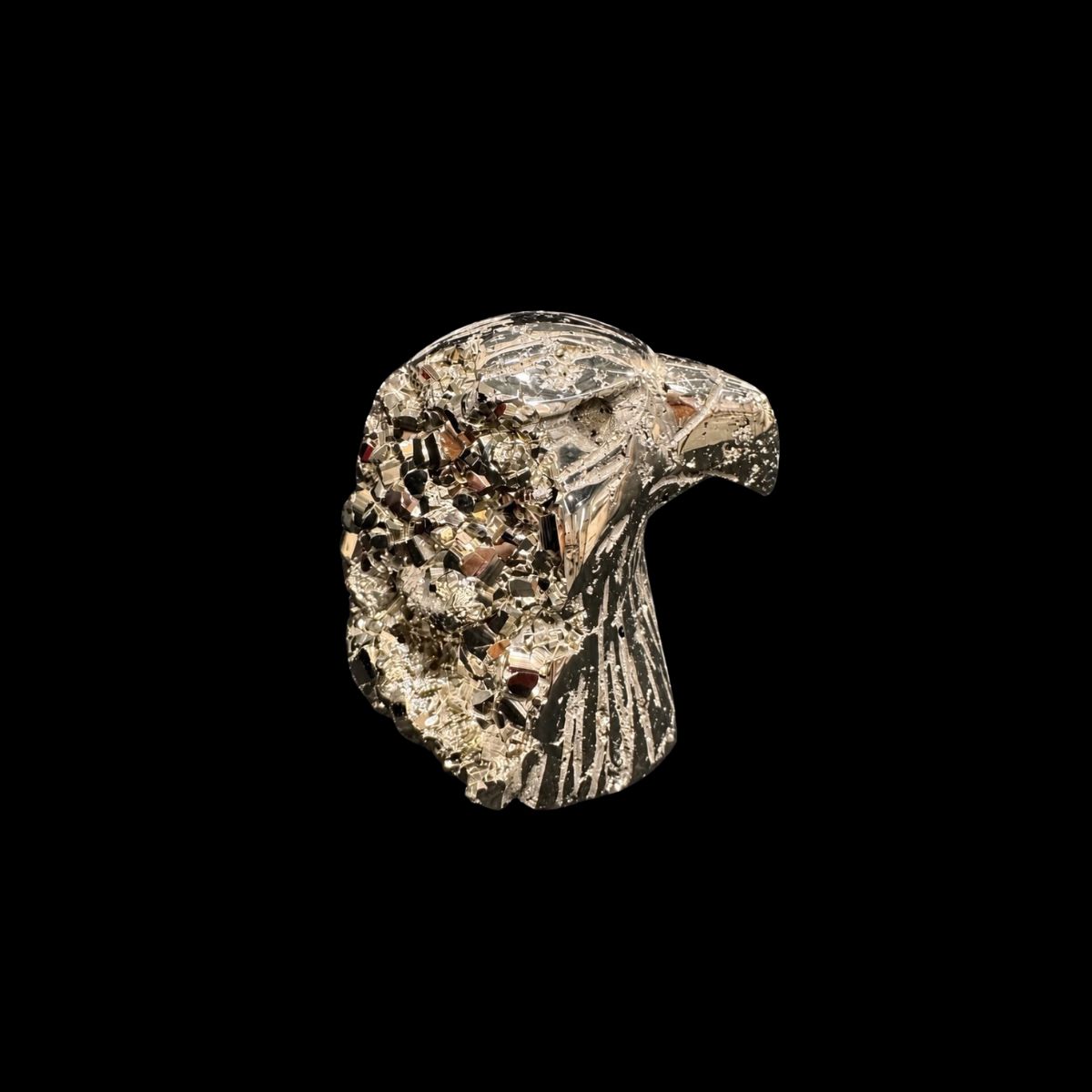
Crystal wholesale Netherlands buyers can import Brazilian crystals directly by registering for an EORI number with Dutch Customs (Douane), declaring the goods on arrival at Schiphol or the port of Rotterdam, and paying import VAT (21% at the time of writing) plus any customs duty. Once cleared, the stones are in free circulation in the EU, so you can resell them to shops across the single market without further customs checks. As a result, the Netherlands is one of the most practical entry points for Brazilian crystals into Europe.
By the CS Minerals Wholesale Team · Last updated
Why does this matter? Dutch retailers have long relied on German and Belgian distributors for their crystal stock, paying an extra margin for goods that often arrived through Dutch ports in the first place. Importing directly, however, puts you closer to the source, gives you more choice of Brazilian material and can turn your business into a small distributor for other European shops. This guide therefore explains the customs steps, the VAT options, the EU resale rules and what makes the Dutch market different.
Why Crystal Wholesale in the Netherlands Works as a Gateway to Europe
The Netherlands punches far above its size in European trade. For a crystal business, three advantages stand out.
Rotterdam and Schiphol as entry points for crystal wholesale
Rotterdam is the largest seaport in Europe and handles a huge share of the continent’s container traffic. Schiphol is one of Europe’s main air cargo hubs. For example, heavy decor pieces such as amethyst geodes and cathedrals can come by sea in crates, while smaller urgent orders of tumbled stones and points travel by air. In addition, experienced customs brokers at both hubs deal with EU import declarations every day.
A VAT system built for importers
The Dutch Article 23 permit (a licence to shift import VAT to your VAT return) is one of the reasons many international companies route goods through the Netherlands. In practice, it can remove the cash flow burden of paying VAT at the border. We explain it in more detail below.
Access to the whole EU
Goods cleared in the Netherlands can move freely to Germany, Belgium, France and every other EU country. So for a Dutch shop that also sells online, or a small wholesaler supplying market traders across Benelux, that single clearance opens a market of hundreds of millions of people. In short, crystal wholesale buyers in the Netherlands reach the whole EU from one port of entry.
How to Import a Crystal Wholesale Order into the Netherlands, Step by Step
Treat the steps below as orientation. Also, always confirm current requirements with Douane (Dutch Customs), the Belastingdienst or a licensed customs broker.
1. Register your business and get an EORI number
Your business should be registered with the KVK (Chamber of Commerce) and for VAT. To import from outside the EU, you also need an EORI number, which Dutch businesses request from Douane. Moreover, an EORI from any EU country is valid across the EU.
2. Classify the goods with TARIC
Every product in an EU import declaration needs a commodity code from the EU’s integrated tariff, TARIC. The code determines the duty rate and any measures that apply. For example, rough stones, worked stones, carved ornaments and jewellery may all fall under different codes. Look them up in the TARIC database, ask your broker, or request a Binding Tariff Information decision if you import the same products regularly. We do not quote duty rates here because they depend on the code and change over time.
3. Choose a customs broker or courier for your crystal wholesale shipment
Express couriers usually clear parcels for you and bill VAT, duty and a handling fee. For crates and pallets arriving at Rotterdam or Schiphol, a customs broker (douane-expediteur) files the declaration and can advise on classification and valuation.
4. Prepare the documents for a wholesale crystal order
- Commercial invoice with a clear description (“natural amethyst geode, polished, decorative”), quantities, values, currency and country of origin.
- Packing list with weight per box or crate.
- Air waybill or bill of lading.
- Wooden crates marked to the ISPM 15 standard for treated wood packaging, which EU plant health rules require for wood packaging from outside the EU.
5. Pay or defer VAT and duty
You pay duty on clearance. You either pay import VAT on clearance too or, with an Article 23 permit, report it on your VAT return instead.
VAT on Imported Crystals: 21% and the Article 23 Permit
The standard Dutch VAT rate is 21% at the time of writing; check the Belastingdienst for current rates. Customs calculates import VAT on the customs value of the goods plus duty and transport costs up to the EU border.
Paying VAT at the border
Without special arrangements, your courier or broker pays the import VAT and charges it to you. If you are VAT registered you can reclaim it later on your return, but the money is tied up in the meantime. For a crate of geodes, then, that can be a meaningful amount.
Deferring with Article 23
With an Article 23 permit (verleggingsvergunning), import VAT is not paid at the border. You declare it on your periodic VAT return and, if you are entitled to deduct it, deduct it on the same return. As a result, no cash leaves your account for VAT at import. In addition, many customs brokers can use their own permit on your behalf. Ask your broker or accountant whether this applies to your business.
The end of the €150 duty exemption
Until July 2026, low-value consignments under €150 could enter the EU without customs duty. The EU has removed that exemption and introduced a temporary flat duty on qualifying low-value items. Most crystal wholesale orders to the Netherlands are above that value anyway. However, if you import small parcels, check the current rules with Douane or your broker.
Crystal Wholesale Netherlands Buyers: Reselling Across the EU
This is where a Dutch importer has a real edge. Once your goods clear customs, they are EU goods.
Selling wholesale crystal stock to shops in other EU countries
Sales to VAT-registered businesses in other EU countries are generally intra-community supplies: you invoice them at 0% VAT with the buyer’s VAT number on the invoice, and the buyer accounts for VAT in their own country. For this reason, always check your customer’s VAT number in the EU’s VIES system and report the sales correctly.
Selling online to consumers across the EU
If your webshop sells to consumers in other EU countries above the EU-wide distance selling threshold, you charge the VAT rate of the customer’s country. The One Stop Shop (OSS) lets you report all of those sales in one Dutch return. Your accountant, in turn, can confirm the threshold and set this up.
No second customs clearance
Because the goods already entered the EU in the Netherlands, a box sent from Utrecht to Munich crosses no customs border. Therefore, that is a strong argument for importing directly rather than buying from a distributor who imported the same stones through Rotterdam.
Crystal Wholesale Netherlands: Distributor or Direct Import?
| Factor | Buy from an EU distributor | Import direct from Brazil |
|---|---|---|
| Customs paperwork | None for you | You or your broker handle the declaration |
| VAT | Dutch VAT or intra-EU invoice | Import VAT, deferrable with Article 23 |
| Delivery speed | Fast, days | Longer; plan ahead |
| Price per piece | Includes distributor margin | Usually lower before import costs |
| Choice of Brazilian material | What the distributor stocked | Wide selection at origin |
| Traceability | Often limited | Closer to origin |
| Best for | Small, frequent top-ups | Core lines, heavy pieces, resale across the EU |
For an overview of how channels compare in general, see our guide on where to buy crystals wholesale.
Work out the landed cost of a crystal wholesale order in euros
Before choosing, convert both options into landed cost per piece. For a direct import, add the supplier invoice converted from US dollars at your bank’s real rate, international freight and insurance, broker fees, any duty, import VAT if you cannot defer or deduct it, and transport from Rotterdam or Schiphol to your shop. Finally, divide by the number of sellable pieces.
Then compare that figure with the distributor’s price for the same size and grade. Heavy decor pieces usually show the biggest saving at the source, because distributors add margin on top of the freight they already paid. Very small orders of tumbled stones may not justify the fixed costs of an international shipment, which is why many Dutch shops combine both routes. For most crystal wholesale buyers in the Netherlands, a sensible rhythm is one larger direct order per season for core lines, with distributor top-ups in between.
What Sells in the Crystal Market of the Netherlands?
Dutch shoppers are practical and price aware, and they appreciate honest product information. A few patterns are worth knowing when you plan your first import.
- Interior decor is a strong driver. Clean, minimalist Dutch interiors suit a single statement geode, an agate slice on a stand or a pair of amethyst bookends.
- Weekly markets and fairs remain an important sales channel for many small traders, so compact, sturdy stock such as tumbled stones, points and small clusters moves quickly.
- Webshops selling to the Netherlands and Belgium are common, and bilingual Dutch and English product pages are normal.
- Spiritual and wellbeing shops sell the classic assortment of amethyst, rose quartz, clear quartz and citrine.
Our article on wholesale crystals by type helps you plan the mix of materials for a first order.
Describe crystals honestly
The Dutch Advertising Code (Nederlandse Reclame Code) and EU consumer protection law govern Dutch advertising, and both prohibit misleading claims. So do not present crystals as treating or curing health conditions. Describe metaphysical meanings as traditions, for example “rose quartz is traditionally associated with love”, and always disclose treatments such as heated citrine, dyed agate or coated aura quartz.
How to Vet a Brazilian Crystal Supplier from the Netherlands
See real pieces on live video
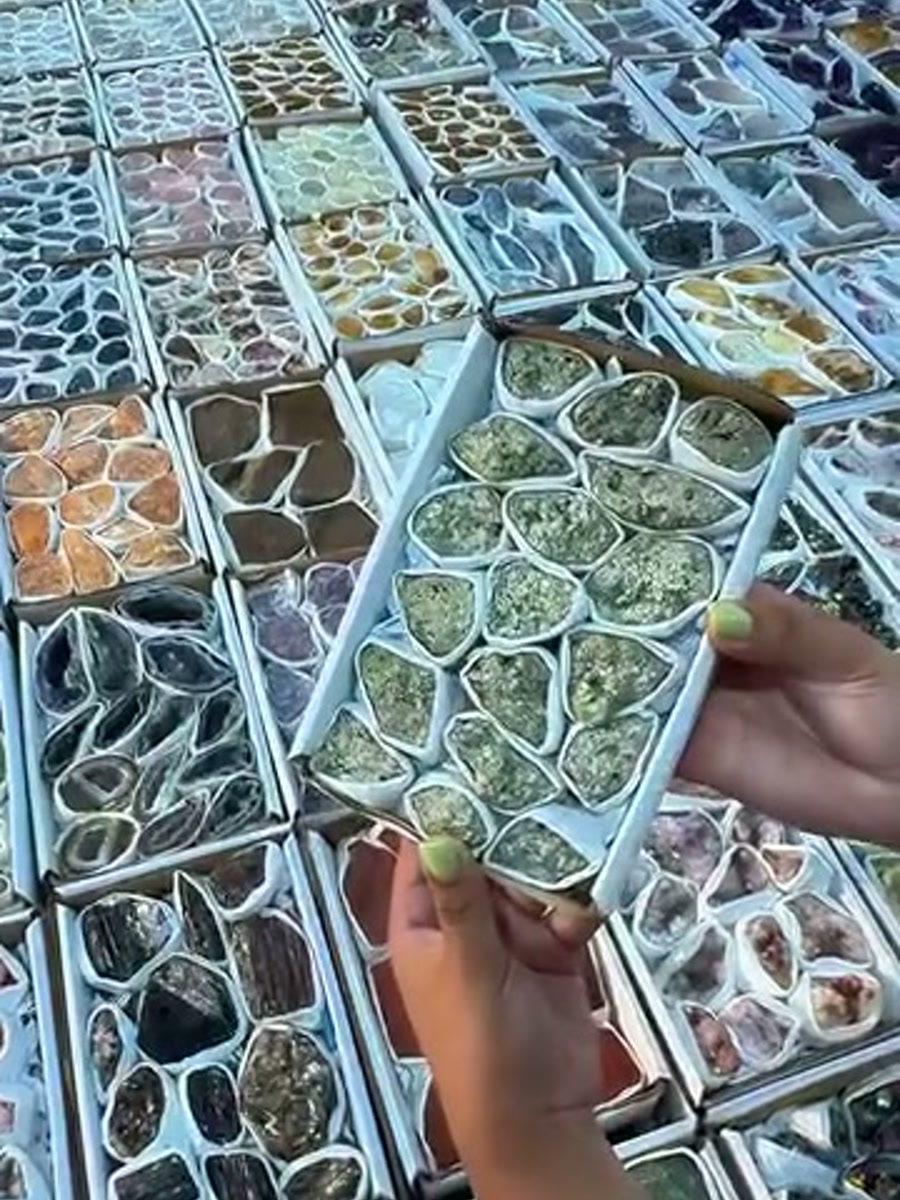
Ask for a video call or join a live selling session from the supplier’s warehouse. After all, seeing actual pieces on camera removes most of the guesswork about colour, size and damage.
Ask where each stone comes from
A good supplier will tell you which stones are Brazilian and which were bought from other countries to consolidate your order. Because of this, that detail matters for your labels and for customers who ask.
Agree the terms in writing
Confirm payment method, shipping terms, lead time and how transit damage is handled. Ask whether you or the supplier arranges freight to Rotterdam or Schiphol and who pays at which point. Then start with a test order before scaling up.
Frequently Asked Questions
Do I need an EORI number to import crystals into the Netherlands?
Yes. Any business importing goods from outside the EU needs an EORI number, which Dutch companies request from Douane. The number is valid across all EU member states.
What VAT rate applies to crystals imported into the Netherlands?
Crystals are normally subject to the standard Dutch VAT rate, which is 21% at the time of writing. Import VAT is calculated on the customs value plus duty and transport costs. Check current rates with the Belastingdienst.
What is an Article 23 permit?
It is a Dutch arrangement that lets an importer report import VAT on the VAT return instead of paying it at the border. If the VAT is deductible, it is declared and deducted on the same return, so there is no cash outlay at import. Many customs brokers can apply it on your behalf.
More Questions
Can I resell imported crystals to shops in Germany or Belgium?
Yes. Once cleared in the Netherlands, the goods are in free circulation in the EU and move without further customs formalities. Sales to VAT-registered businesses in other EU countries are usually invoiced at 0% VAT as intra-community supplies.
Should crystals arrive at Rotterdam or Schiphol?
It depends on weight and urgency. Heavy geodes and cathedrals in crates are often more economical by sea to Rotterdam, while smaller and time-sensitive orders usually travel by air to Schiphol. Your supplier and broker can compare both.
Does customs duty apply to Brazilian crystals entering the EU?
It depends on the TARIC commodity code of each product, and rates can change. Look the codes up in the TARIC database or ask your customs broker before ordering. The EU has also removed the former €150 duty exemption for low-value consignments.
Source Wholesale Crystal Stock Direct for the Netherlands
If you are planning crystal wholesale for the Netherlands, CS Minerals is a Brazilian wholesaler of crystals, minerals and natural stone, based in Soledade, Rio Grande do Sul, the town known as Brazil’s agate capital. With 25 years in the trade, we ship wholesale orders worldwide, including to the Netherlands and the rest of Europe, from a minimum order of US$100. You can see actual pieces during our live selling sessions from the warehouse, Monday to Friday, 8am to midnight Brazilian time, on Instagram @csminerals. See the ordering steps on our how to order wholesale crystals page.