
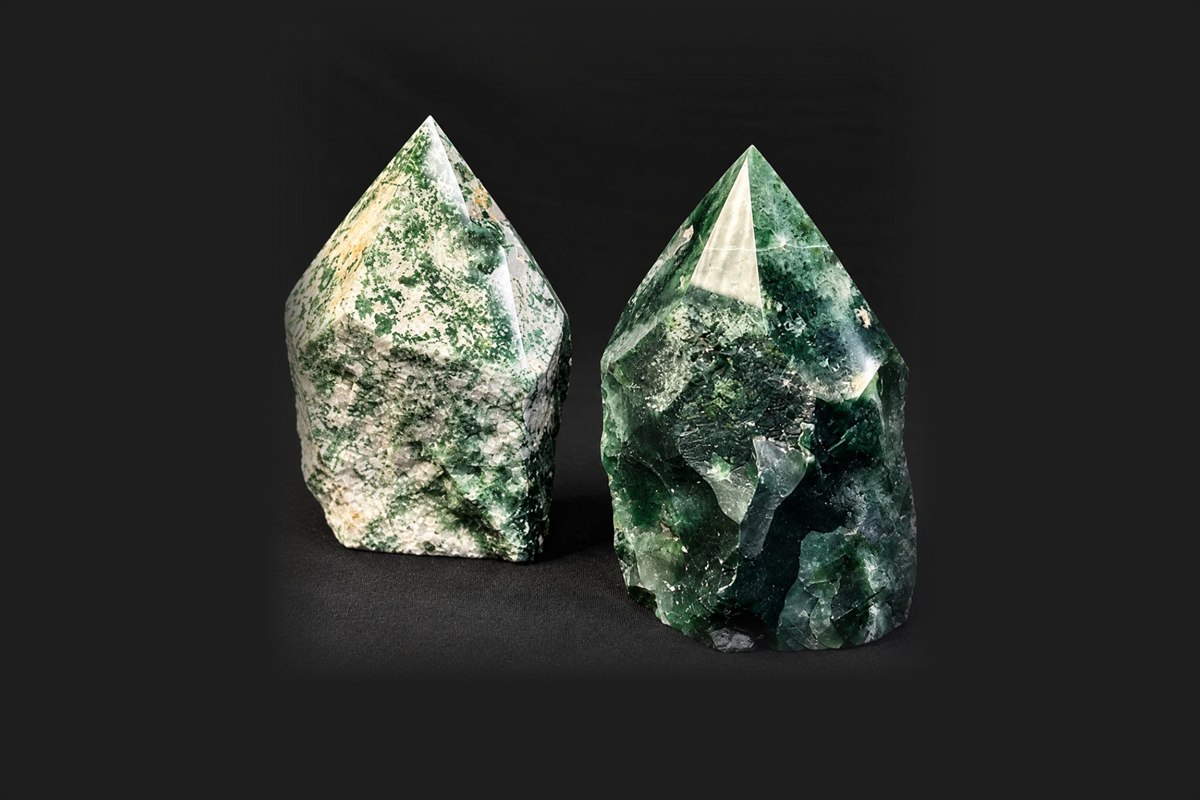
Wholesale crystals by type means choosing stones individually rather than relying only on assorted lots, giving you greater control over the varieties, sizes, styles and qualities that enter your inventory. CS Minerals supplies a broad and constantly evolving selection of natural crystals and minerals to retailers, designers, collectors and resellers in the United States and other international markets. Our inventory includes important Brazilian minerals such as amethyst, agate and quartz, alongside selected materials from other mineral-producing regions around the world. Because our inventory changes frequently, this guide highlights some of the minerals we work with, their origins and what buyers should consider before ordering.
Origin matters when buying natural minerals. Not every stone we offer comes from Brazil, and we believe origin information should reflect the actual material whenever that information is available. Brazil remains at the heart of our business and gives us access to one of the world’s most important mineral industries, while selected materials from other countries allow us to offer an even broader variety to our customers. Products from different origins can be consolidated at our warehouse in Brazil, helping international buyers build diverse orders while simplifying the purchasing and shipping process.
Wholesale Crystals by Type: Where Each Stone Comes From
Crystals and minerals are geographically concentrated because they form under specific geological conditions, and those conditions are not evenly distributed around the world. Brazil is known for its remarkable geological diversity and produces an extensive range of minerals, including many varieties of quartz, amethyst, agate, tourmaline and other materials. However, no single country produces every mineral found in the international crystal market.
Brazilian minerals form an important part of our selection, complemented by materials from other recognized mineral-producing regions around the world. This allows CS Minerals to offer customers a diverse and continually changing selection while respecting the actual origin of each material. Availability and origin may vary according to the specimen or lot, and products from different regions can be brought together through our operation in Brazil for international customers.
| Group | What it covers | Why it matters to your cost |
|---|---|---|
| Brazilian core | Amethyst, agate, quartz varieties, tourmaline, kyanite, sodalite, lepidolite, hematite, amazonite, garnet, jaspers, kunzite | Bought at origin, so you skip the importer and distributor margins entirely |
| Consolidated origins | Uruguayan amethyst, moldavite, mookaite, labradorite, tiger’s eye, rhodochrosite, pink amethyst, obsidian, zeolite, onyx | Priced closer to market, but it travels in your existing shipment instead of triggering a second freight and a second customs entry |
The Brazilian Core: Wholesale Crystals by Type From Brazil
These are the stones we buy at origin. Brazil is the world reference for most of them, and for agate and large amethyst formations it is the reference by a wide margin.
Brazilian Amethyst
Brazilian amethyst is one of the most iconic minerals from Rio Grande do Sul, where remarkable crystal formations developed within ancient basalt flows. It is available in many forms, including geodes, standing cathedrals, clusters, druzy pieces, polished points, towers and other decorative specimens. Colors can range from soft lilac to rich, deep purple, with each piece displaying its own natural characteristics. Size, color, crystal formation, quality and overall appearance can all influence the value of an individual specimen.
Clear Quartz, Smoky Quartz and Citrine
Brazil is internationally recognized for its remarkable quartz deposits, with important producing regions including Minas Gerais, Bahia and Goiás. Clear quartz can be found in a wide variety of natural formations and finished pieces, from individual points and clusters to polished and decorative specimens. Smoky quartz is another distinctive variety, appreciated for its natural tones ranging from light smoky shades to deeper, darker colors.
Citrine is also an important member of the quartz family. Natural citrine occurs in Brazil and is valued for its characteristic yellow to golden coloration. Heat-treated material also exists in the international mineral market, which makes transparency about treatments especially important. At CS Minerals, the characteristics and relevant treatment information of the material are communicated according to the specific specimen or lot whenever applicable.
Agate
Brazilian agate is known worldwide for its distinctive natural patterns, colors and banded formations. It is an extremely versatile material and can be found in many forms, including slices, bookends, bowls, spheres, decorative pieces and jewelry components. Each specimen can display unique variations in color, translucency and pattern. Natural and enhanced agates are both present in the international market, so any relevant treatments should be clearly identified when applicable.
Black and Pink Tourmaline
Brazil is internationally recognized for its remarkable tourmaline deposits, particularly in regions such as Minas Gerais, Bahia and Rio Grande do Norte. Black tourmaline, mineralogically known as schorl, can be found in natural specimens, crystal formations and a variety of polished and decorative pieces. Pink tourmaline belongs to another distinctive part of the tourmaline family and is especially appreciated for its color, crystal quality and natural variations. As with other minerals, characteristics, origin and any relevant treatments should be considered according to the individual specimen or lot.
Blue and Black Kyanite
Brazilian kyanite is found in important mineral-producing regions such as Minas Gerais and Bahia. Blue kyanite is recognized for its distinctive bladed crystal formations and striking blue coloration, occurring as individual blades as well as specimens associated with matrix. Black kyanite is known for its characteristic fan-shaped crystal formations. Because kyanite has natural cleavage and can be relatively fragile, careful handling and professional packing are especially important when preparing specimens for international shipping.
Sodalite, Lepidolite, Amazonite, Hematite and Garnet
Brazil’s mineral diversity extends far beyond quartz, with important deposits producing a remarkable variety of natural materials. Bahia is known for blue sodalite, while Minas Gerais is internationally recognized for its mineral-rich pegmatites and deposits that produce materials such as lepidolite, amazonite and garnet. Hematite is also strongly associated with Minas Gerais, particularly the historic Iron Quadrangle region. These minerals demonstrate the extraordinary geological diversity of Brazil and the wide range of natural specimens available to the international mineral market.
Red Jasper, Green Jasper and Kunzite
Brazil produces beautiful varieties of jasper, including red and green material, which can be found in natural specimens as well as polished pieces, carvings and other decorative forms. Kunzite, a pink to lilac variety of spodumene, is another mineral associated with the pegmatites of Minas Gerais. It is also found in other important mineral-producing regions around the world, with color, clarity and crystal formation varying naturally according to each specimen.
Consolidated Origins: Wholesale Crystals by Type From Other Countries
Not every mineral in our selection originates in Brazil. Many stones are naturally associated with specific geological regions around the world, and their origin can vary according to the material and lot. At CS Minerals, selected minerals from international sources complement our Brazilian selection, allowing customers to explore a broader variety of natural stones through a single supplier.
Uruguayan Amethyst
Uruguayan amethyst is internationally recognized for material from the Artigas region in northern Uruguay, part of the extensive basaltic geological formations that also extend into southern Brazil. It is particularly appreciated for its rich purple coloration and compact crystal formations, although color, crystal size and overall appearance naturally vary from specimen to specimen. These distinctive characteristics make Uruguayan amethyst especially valued for geodes, clusters and other natural display pieces.
Moldavite
Moldavite is a natural glass belonging to the tektite group, formed as a result of a meteorite impact approximately 15 million years ago. It is most famously associated with the Czech Republic, particularly the regions of Bohemia and Moravia, with smaller occurrences documented elsewhere in Central Europe. Its distinctive green color, unusual surface textures and fascinating geological origin have made moldavite highly
Mookaite, Tiger’s Eye and Tiger Jasper
Mookaite is strongly associated with Western Australia, particularly the Mooka Creek region from which its name originates, and is known for its distinctive combinations of earthy red, yellow, cream and burgundy tones. Tiger’s eye is another internationally recognized material, with South Africa being one of its most important sources. “Tiger Jasper” is commonly used as a trade name rather than a strict mineralogical classification, and the material sold under this name can vary. For stones
Labradorite, Rhodochrosite and Pink Amethyst
Labradorite is found in several regions around the world, with Madagascar being an important source of material known for its striking flashes of color, while notable specimens are also associated with Canada and Finland. Rhodochrosite is strongly associated with Argentina, particularly the well-known banded material from the Capillitas mining district
Selenite, Gypsum, Desert Rose and Orange Calcite
Brazil has important gypsum deposits, including those found in the Araripe region of Pernambuco. Other forms and varieties commonly seen in the international mineral market, including selenite and desert rose formations, are associated with several mineral-producing regions around the world. Orange calcite is likewise found in different locations internationally, including well-known sources in Mexico. These materials are appreciated for their distinctive formations, soft natural tones and versatility in collections and decorative displays.
Zeolite, Obsidian and Onyx
Zeolites are found in several basaltic regions around the world, with India, particularly the Deccan Traps of Maharashtra, internationally recognized for producing remarkable specimens. Obsidian is a natural volcanic glass associated with specific volcanic environments and is sourced from several regions worldwide, including important deposits in Mexico and the United States. The name “onyx” is used commercially for different materials, including banded calcite and varieties of chalcedony. Because trade names can vary within the mineral market, clear descriptions and photographs of the actual material help buyers understand exactly what they are purchasing.
All 34 Wholesale Crystals by Type and Their Real Origin
Wholesale crystals by type from Brazil
Our selection of Brazilian minerals changes frequently according to availability, with each new lot bringing different formations, sizes and characteristics. Examples of materials we may offer include:
Brazilian Amethyst — from Rio Grande do Sul, available in natural and decorative forms such as geodes, cathedrals, clusters, druzy formations and polished pieces.
Clear Quartz — sourced from important Brazilian producing regions, including Bahia and Minas Gerais, with natural points, clusters and a variety of polished forms.
Smoky Quartz — found in Brazil in natural crystal formations as well as polished and decorative pieces.
Citrine — including natural Brazilian material in a variety of crystal formations and finished pieces. Treatment information is identified when applicable.
Agate — particularly associated with Rio Grande do Sul and available in a wide variety of natural patterns and decorative forms.
Black Tourmaline — found in important Brazilian deposits and available as natural specimens, crystals on matrix and polished pieces.
Pink Tourmaline — associated with important Brazilian pegmatite regions and valued for its distinctive color and natural crystal formations.
Blue Kyanite — known for its characteristic bladed formations and striking blue coloration.
Black Kyanite — recognized for its distinctive dark, fan-shaped crystal formations.
Sodalite — appreciated for its rich blue coloration and naturally contrasting patterns.
Lepidolite — a lithium-rich mica known for its lilac, lavender and purple tones.
Amazonite — known for its distinctive blue-green to green coloration and natural pattern variations.
Hematite — an important iron mineral found in Brazil, particularly associated with the mineral-rich regions of Minas Gerais.
Garnet — found in several Brazilian geological environments and available in a variety of natural formations.
Red and Green Jasper — Brazilian materials appreciated for their natural colors, patterns and versatility in polished and decorative pieces.
Kunzite — a pink to lilac variety of spodumene associated with Brazil’s mineral-rich pegmatite regions.
Gypsum — found in important Brazilian deposits, including the Araripe region, with additional varieties available internationally depending on current inventory.
Because natural mineral inventory changes continuously, specific varieties, forms, sizes and origins should always be confirmed according to current availability.
Wholesale crystals by type from other origins
Our selection may also include minerals associated with important producing regions outside Brazil. Availability, origin and form can vary according to the specimen or lot. Examples may include:
Uruguayan Amethyst — particularly associated with the Artigas region of Uruguay and appreciated for its rich purple coloration and compact crystal formations.
Pink Amethyst — found in South America, including notable material from both Brazil and Argentina, with natural colors and formations varying from piece to piece.
Pyrite — found in several important mineral-producing regions worldwide, including Peru and Spain, and known for its distinctive metallic luster and crystal formations.
Fluorite — sourced from different regions around the world and available in a wide range of natural colors and crystal formations.
Selenite — internationally sourced material appreciated for its distinctive appearance and available in natural and decorative forms.
Desert Rose — a naturally occurring rosette-shaped formation associated with arid environments in several regions around the world.
Orange Calcite — known for its warm orange tones and available from different international mineral-producing regions.
Labradorite — notably associated with Madagascar and other producing regions, recognized for its distinctive flashes of iridescent color.
Zeolite — found in several basaltic regions worldwide, with India particularly recognized for remarkable natural specimens.
Black Obsidian — natural volcanic glass sourced from important volcanic regions, including Mexico and the United States.
Onyx — a commercial name that may refer to different materials, including varieties of chalcedony and banded calcite. The specific material should be identified according to the specimen or lot.
Tiger’s Eye — strongly associated with South Africa and recognized for its distinctive golden-brown coloration and optical effect.
Tiger Jasper — a commercial trade name that may be used for different materials, making photographs and individual descriptions particularly important.
Mookaite — strongly associated with Western Australia and recognized for its distinctive combinations of earthy colors and natural patterns.
Moldavite — a natural tektite most famously associated with the Czech Republic and valued for its distinctive green color and geological origin.
Rhodochrosite — notably associated with Argentina, including the well-known Capillitas region, and appreciated for its characteristic pink to red coloration and banded patterns.
Because our inventory evolves continuously, international materials, origins, forms and availability may change. Customers can contact our team to see the specimens and varieties currently available.
Which Type of Wholesale Crystals Should a New Store Order First?
When building a wholesale crystal order, variety can be more valuable than simply trying to purchase one of every available mineral. A balanced selection allows retailers to offer different styles, sizes and types of specimens while adapting the inventory to their own customers and business model.
For many retailers, a well-rounded selection may combine:
Accessible everyday pieces — smaller natural specimens, polished stones and other versatile items that are easy to incorporate into different retail displays.
Decorative minerals — clusters, freeforms, spheres, carvings, agate pieces and other visually distinctive products that add variety to a collection.
Premium specimens — minerals selected for exceptional color, crystal formation, clarity, origin or other distinctive natural characteristics.
Statement pieces — larger geodes, amethyst cathedrals, impressive mineral formations and unique decorative specimens that can become focal points within a store or showroom.
There is no single ideal combination for every wholesale buyer. A crystal store, collector-focused business, interior design showroom and live seller may each require a very different product mix. The best approach is to select pieces according to your customers, available space, sales model and the type of collection you want to build.
For minerals sold under commercial trade names or materials where origin and identification are particularly important, buyers should review photographs, descriptions and available information about the actual specimen or lot before ordering. Direct communication with the supplier can also help clarify these details when necessary.
The Same Type of Wholesale Crystals Sells Six Different Ways
Two specimens of the same mineral can have very different characteristics and values. Mineral type is only one part of the equation: size, color, clarity, formation, rarity, origin, condition, finishing and overall appearance can all influence an individual piece.
Format also plays an important role. Natural rough material preserves the original characteristics of the stone, while polished pieces, carvings, towers, spheres and freeforms require different levels of cutting and finishing. Specimens on matrix are often appreciated for their natural crystal formation, while larger statement pieces are typically selected individually for their unique appearance and presence.
Natural minerals are not standardized products. Even when similar shapes or sizes become available again, color, patterns, inclusions and crystal formations may differ from one piece to another. Particularly distinctive specimens may be completely unique, and once sold, an identical replacement may not be possible.
Understanding these natural variations helps wholesale buyers build and replenish their inventory with realistic expectations. For a more detailed overview of the wholesale purchasing process, see our guide on how to buy crystals wholesale.
What to Check Before Ordering Wholesale Crystals by Type
Before placing a wholesale crystal order, asking the right questions can help you understand exactly what you are purchasing. The level of detail may vary depending on the mineral and specimen, but several points are worth considering:
Origin. Ask about the country or producing region when this information is available and relevant to the material.
Treatment. Confirm whether any relevant treatments, enhancements or alterations have been applied to the material.
Format and characteristics. Understand whether the piece is natural, polished, carved or otherwise finished, as well as the characteristics used to describe its quality.
The actual specimen. For unique specimens and statement pieces, current photographs or videos can provide a clearer understanding of color, formation, proportions and overall appearance.
Shipping terms. Understand what is included in the quotation and which shipping, customs or import responsibilities may apply to your order and destination.
Packing and handling. Some minerals and crystal formations are naturally more delicate than others, making appropriate packing and careful handling particularly important for international transportation.
Clear communication before purchasing helps wholesale buyers understand the products, shipping process and characteristics of the specimens they are selecting.
For more information about the factors that influence wholesale crystal pricing, see how much crystals cost wholesale.
How to Order Wholesale Crystals by Type in One Shipment
One of the advantages of working with a supplier that offers minerals from different origins is the ability to build a diverse inventory through a more streamlined purchasing process. Instead of managing separate purchases for every type of stone, wholesale buyers can select from Brazilian minerals alongside materials sourced from other important mineral-producing regions around the world.
At CS Minerals, products selected for the same order can be prepared and consolidated through our operation in Brazil whenever possible. This can simplify communication, packing and international shipping while allowing retailers to build a varied collection through a single supplier.
Because every order is different, the final packing and shipping arrangement depends on the products
Because our inventory changes constantly, buyers can connect with our team to see current availability directly from our warehouse in Brazil. Through photos, videos, live presentations and video calls, customers can view actual specimens, compare different pieces and select the minerals that best fit their business without depending on a static catalog.
To learn more about working with a Brazilian wholesale supplier, see our guide to buying directly from Brazil. For a deeper look at Brazil’s extraordinary mineral diversity and geological origins, explore what crystals are found in Brazil.
Wholesale Crystals by Type: Frequently Asked Questions
What does buying stone by stone mean?
It means ordering named varieties in the formats and grades you choose, rather than buying pre made assorted lots. It gives you control over your price tiers and your product mix, and it is the normal way an established store buys once it knows what sells. Assorted lots, however, remain useful for testing a category or for live selling, where variety itself is the draw.
Are all these stones from Brazil?
No, and any supplier claiming otherwise is misinforming you. The Brazilian core covers amethyst, agate, the quartz varieties, tourmaline, kyanite, sodalite, lepidolite, amazonite, hematite, garnet, the jaspers and kunzite. Moldavite is Czech, mookaite is Australian, tiger’s eye is South African, labradorite is Madagascan, pink amethyst and rhodochrosite are Argentinian, and Uruguayan amethyst is Uruguayan.
Is citrine real or is it heated amethyst?
Most commercial citrine is amethyst that producers heat treat to shift its colour to yellow or orange. This is long standing, accepted practice across the trade, not a deception, but sellers must declare it, and it prices differently from natural material. Naturally occurring citrine exists and is less common. Always ask for treatment status in writing and pass it on to your own customers.
How do I avoid fake moldavite?
Buy only from suppliers who state the Czech source, will photograph the exact piece, and accept returns. Moldavite comes from one region on earth, in the Vltava basin of Bohemia, so supply is genuinely limited and counterfeits made from green bottle glass are widespread. Prices far below the market are the clearest warning sign.
Can I mix Brazilian and non Brazilian stones in one order?
Yes, and that is the main reason to use a consolidating supplier. We buy Brazilian material at origin and source the rest from the country that is the real reference for it. Then everything ships together in one crate or pallet under a single customs entry. You pay one freight bill rather than one per origin.
What is the minimum order for wholesale crystals?
There is no single industry minimum. Suppliers set minimums by order value, by weight or by piece count, and the basis depends on the category: tumbled and rough material usually carries weight based minimums, while specimens and statement pieces are frequently sold as single units. Ask any supplier which basis applies and whether it counts per variety or per total order.
Request Wholesale Access
CS Minerals supplies these 34 stones to retailers, online and live sellers, jewellery makers, designers and collectors across the United States, with origin and treatment stated per lot. Request wholesale access for current availability and pricing.
Comments
One response to “Wholesale Crystals by Type: A Guide for Retailers and Resellers”
[…] A display that pairs a Brazilian amethyst cathedral with a tray of Australian mookaite tells customers you know your stones and where they come from. Always label origin honestly: mookaite is Australian, amethyst from Rio Grande do Sul is Brazilian. For more on the Brazilian side, read our guide to wholesale crystals by type. […]