
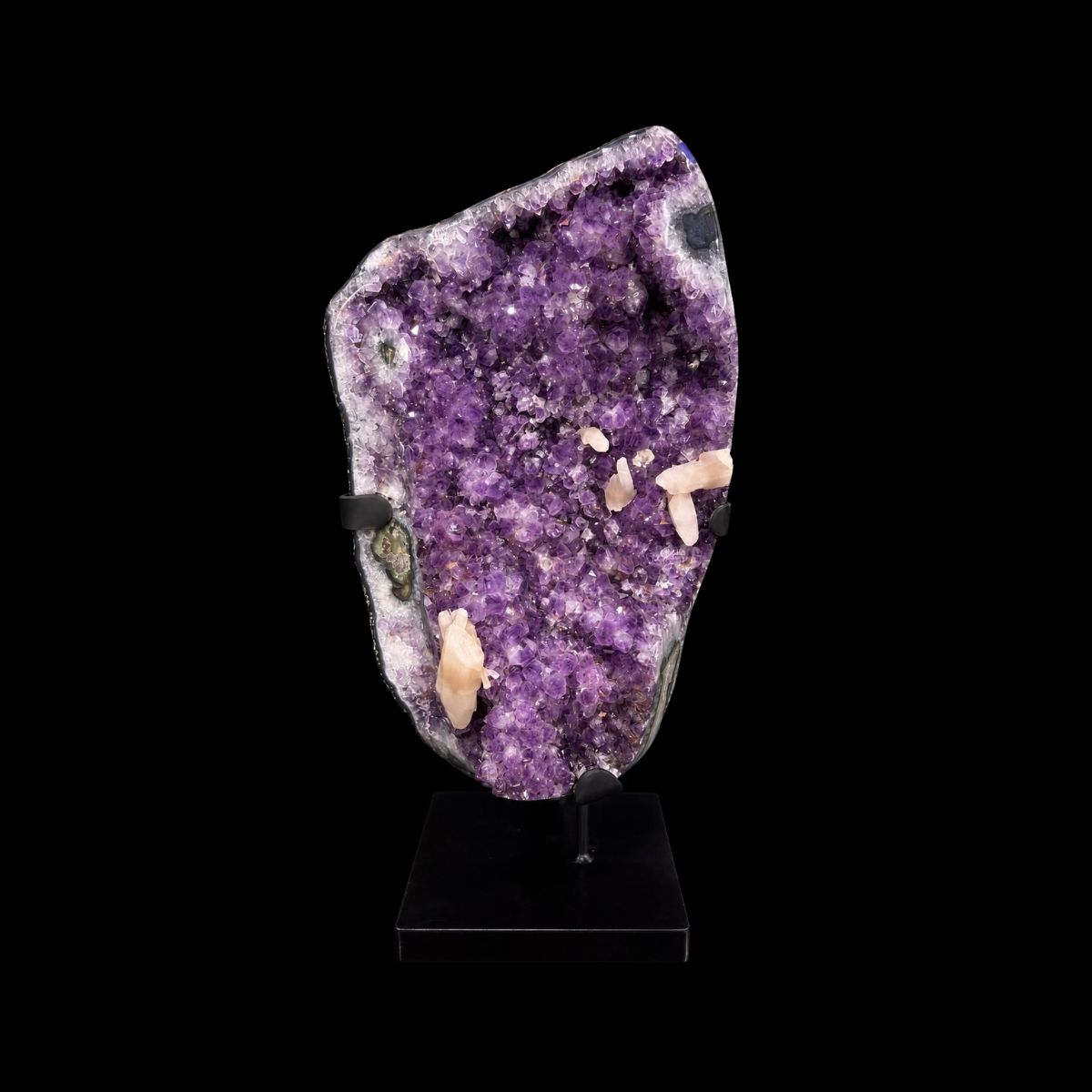
Crystal wholesale Europe works through three main channels: EU-based distributors who import and resell, mineral and gem shows such as Munich and Sainte-Marie-aux-Mines, and direct imports from producing countries like Brazil. Because the EU is a single market, a retailer only needs to clear customs once, with an EORI number and the right TARIC code, and the stones can then circulate freely across all member states. As a result, choosing between a distributor and buying at the source comes down to volume, speed and how close you want to be to the origin of your stock.
By the CS Minerals Wholesale Team · Last updated
In addition, Europe has a long history with Brazilian stones. The German town of Idar-Oberstein built much of its gem-cutting fame on agate shipped from southern Brazil, and that link between European craftsmanship and Brazilian material still shapes crystal wholesale in Europe today. This guide therefore explains how European retailers source natural crystals now, what the customs rules look like, which shows are worth knowing, and how to decide when a distributor is the smart choice and when going direct pays off.
Idar-Oberstein and Brazilian Agate: A Historic Connection
You cannot talk about crystal wholesale in Europe without mentioning Idar-Oberstein, in the German state of Rhineland-Palatinate. For centuries the town cut and polished agate from local deposits. However, when those deposits ran low in the nineteenth century, people from the region who had emigrated to Brazil found rich agate deposits in Rio Grande do Sul, and Brazilian rough began to flow back to Idar-Oberstein’s workshops.
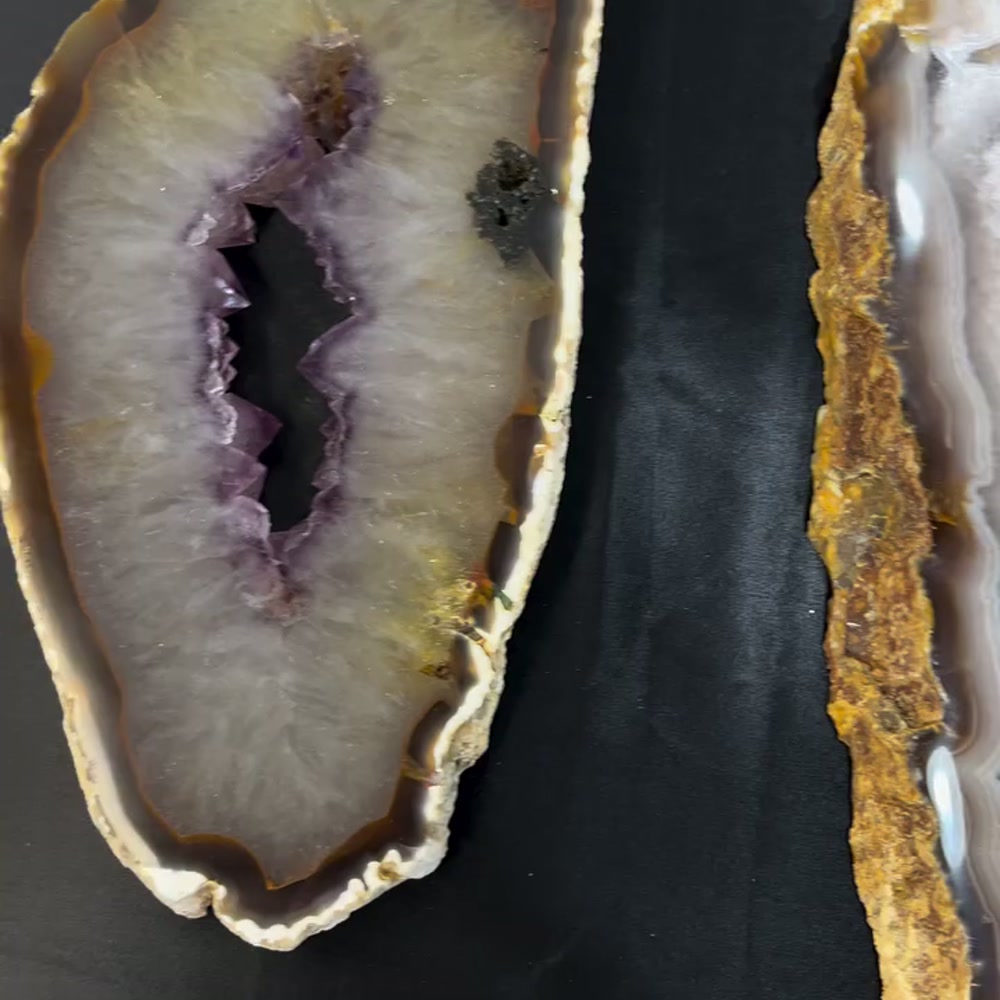
That trade helped make the town a world centre for gem cutting, and it also tied the agate country of southern Brazil to European markets for generations. Soledade, today widely known as Brazil’s agate capital, sits in the same region. So for European buyers, it is a useful story: the agate slices, bookends and geodes in your shop may well come from the same area that supplied the historic German cutters. To learn more about the Brazilian side of the story, read our overview of the countries famous for crystals.
The Main Channels for Crystal Wholesale Europe Buyers
Wholesale distributors based in Europe
Distributors in Germany, the Netherlands, Belgium, France, Spain and elsewhere import large volumes and resell to shops. They offer fast delivery within the EU, invoices in euros and no customs paperwork for you. However, the trade-off is price, since you pay their import costs and margin, and a selection limited to what they bought. Origin information can also be thin after the goods pass through several hands.
Mineral and crystal shows in Europe
Europe has some of the best-known mineral shows in the world. They are ideal for hand-picking specimens, meeting dealers and seeing trends. On the other hand, they cost time and money to attend, and the best pieces sell early.
Direct from the source
Buying from a supplier in a producing country puts you closest to the material. For example, with Brazilian amethyst, agate, citrine, quartz and geodes, that means buying from Rio Grande do Sul or Minas Gerais. Then you clear customs once at your EU entry point and then have EU goods. For a broader look at choosing channels, see our guide to where to buy crystals wholesale.
Crystal Wholesale in Europe: Which Mineral Shows to Know
Shows are not only for collectors. In fact, many retailers use them once or twice a year to discover suppliers and unusual material. Still, always check the organiser’s official website for current dates, trade days and entry rules.
Munich Show (Mineralientage München)
Held in Munich in the autumn, the Munich Show is one of the largest mineral, gem and fossil shows in Europe. It attracts dealers from around the world, including many selling Brazilian material, and has areas aimed at trade buyers as well as the public.
Sainte-Marie-aux-Mines
In Alsace, eastern France, the Sainte-Marie-aux-Mines show takes over a small mining town each summer. It is known for its mix of specimens, gems, fossils and decorative stone, with a strong trade presence and dealers from many countries.
Show buying vs ordering direct
- Shows: touch the stones, negotiate face to face, meet many dealers at once; but travel costs, limited days and early sell-outs.
- Direct orders: wider selection at origin and better prices per piece; but longer lead times and customs paperwork.
- Live video buying: many source suppliers now broadcast live sessions from their warehouses, which gives some of the show experience without the travel.
Importing Crystal Wholesale Orders into Europe: How Customs Works
The EU has a common customs system, so the basics are the same in every member state. However, the details below are orientation only, so confirm current rules with your national customs authority or a customs broker.
EORI number
Every business importing goods from outside the EU needs an EORI number. You get it from the customs authority of the member state where you are established, and it is valid across the EU.
TARIC classification
Each product on the import declaration needs a commodity code from TARIC, the EU’s integrated tariff database. The code determines the duty rate and whether any special measures apply. Also, rough stone, worked stone, carvings and jewellery may use different codes. If you import the same items regularly, a Binding Tariff Information decision gives you legal certainty. Finally, we do not publish duty rates here, as they depend on classification and can change.
Import VAT
Import VAT is charged at the rate of the member state where the goods are released for free circulation. Standard rates vary between countries, for example 21% in the Netherlands at the time of writing, so check the current rate in your country. In addition, several member states offer ways to account for import VAT on the VAT return instead of paying at the border; ask your broker or accountant what is available where you import.
Low-value consignments
The EU removed the former €150 customs duty exemption for low-value consignments in July 2026 and introduced a temporary flat duty on qualifying items. Most wholesale crystal orders are above that level, but check the current rules if you import small parcels.
Documents and packaging
- Commercial invoice with a precise description, quantities, values, currency and country of origin.
- Packing list with weights per box or crate.
- Air waybill or bill of lading.
- Wooden crates marked to the ISPM 15 standard, which EU plant health rules require for wood packaging from outside the EU.
Why the Single Market Matters for Crystal Wholesale in Europe
The single market is the biggest structural advantage European buyers have, because it turns one import into access to every member state.
Clear once, sell everywhere
Once goods are released for free circulation in one member state, they can move to any other without further customs formalities. For example, a German shop that imports through Hamburg can send stock to a partner in Austria, and an Italian online seller can ship to customers in Spain, without new declarations.
Selling to other EU businesses
Sales to VAT-registered businesses in other member states are generally intra-community supplies, invoiced at 0% VAT with the buyer’s VAT number, and the buyer accounts for VAT locally. For this reason, verify VAT numbers in the VIES system.
Selling online to EU consumers
Above the EU-wide distance selling threshold, you charge the VAT rate of the customer’s country and can report those sales through the One Stop Shop (OSS) in your home country. As always, your accountant can confirm the details.
As a result, this structure means a small retailer can become a regional distributor by importing once and reselling across borders, something that is far harder in fragmented markets.
Crystal Wholesale Europe: EU Distributor vs Direct from Origin
| Factor | EU distributor | Mineral show | Direct from origin (e.g. Brazil) |
|---|---|---|---|
| Customs for you | None | None within the EU | Once, at EU entry |
| Delivery speed | Fast, days | Immediate if you carry it | Longer; plan ahead |
| Price per piece | Includes distributor margin | Varies; negotiable | Usually lowest before import costs |
| Selection | What they stocked | Wide, only on show days | Widest for that origin |
| Traceability | Often limited | Depends on the dealer | Closest to origin |
| Extra costs | Shipping within the EU | Travel, hotel, time | Freight, broker, duty, import VAT |
| Best for | Small top-ups, mixed stock | Hand-picked specimens, networking | Core lines, heavy decor pieces, resale |
When a wholesale distributor in Europe makes sense
If you are new, order small quantities or need stock quickly, an EU distributor is often the better option. You avoid customs, test demand with low risk and get goods in days. That is why it is a sensible way to enter crystal wholesale in Europe.
When going direct pays off
Once you know your best sellers and order regularly, buying at the source usually improves margins, especially for heavy pieces such as geodes, cathedrals and agate bookends where distributors charge a premium for freight they already paid. It also gives you better origin information for labels and storytelling. Before deciding, compare landed cost per piece for both options, including freight, broker fees, duty and any import VAT you cannot recover.
Responsible Crystal Selling Across Europe
EU consumer protection law prohibits misleading commercial practices, and each country adds its own advertising rules. Therefore, a few principles keep you safe everywhere:
- Do not claim that crystals cure, treat or prevent health conditions. Describe metaphysical meanings as traditions, for example “amethyst is traditionally associated with calm”.
- Disclose treatments. Much citrine is heat-treated amethyst, many bright agates are dyed, and aura quartz is coated.
- Label origin accurately. Brazilian amethyst is Brazilian; moldavite is Czech; labradorite is often from Madagascar. Suppliers may consolidate stones from several countries in one shipment, so ask.
- Translate labels properly for each market you sell in.
How to Vet a Wholesale Supplier Outside Europe
Ask for live video
A video call or live selling session from the warehouse lets you see actual pieces, check colour and damage and also ask questions on the spot.
Ask the right questions
Which stones are from the supplier’s own country and which are bought in? Which are treated? How are heavy pieces packed? What are the payment terms and who arranges freight?
Start with a test order
A modest first order shows you packing, communication, invoice quality and clearance at your EU entry point. Then scale up once it runs smoothly. Our guide on how to buy crystals wholesale covers the ordering process in more detail.
Frequently Asked Questions
Do I need an EORI number to import crystals into Europe?
Yes, any business importing goods from outside the EU needs an EORI number. You get it from customs in the member state where your business is established. It is valid across the whole EU.
What is TARIC and why does it matter for crystals?
TARIC is the EU’s integrated tariff database, which gives the commodity code for each product. The code determines the duty rate and any measures that apply. Rough stones, worked stones, carvings and jewellery can have different codes, so classify each product correctly.
Can I resell imported crystals in other EU countries?
Yes. Once cleared in one member state, the goods circulate freely within the single market without further customs formalities. Sales to VAT-registered businesses in other EU countries are generally invoiced at 0% VAT as intra-community supplies.
More Questions
What is the connection between Idar-Oberstein and Brazil?
Idar-Oberstein in Germany was a historic agate-cutting centre. When local deposits ran low in the nineteenth century, emigrants from the region found agate in Rio Grande do Sul, Brazil, and shipped rough back to Germany for cutting. The link helped make the town famous and tied southern Brazil to the European gem trade.
Which mineral shows in Europe are best for wholesale buyers?
The Munich Show in Germany and the Sainte-Marie-aux-Mines show in France are two of the best known, with many international dealers and trade buyers. Dates and trade access change, so check the official websites before planning a trip.
Is it cheaper to buy crystals from an EU distributor or direct from Brazil?
For small, occasional orders a distributor is often cheaper once you count freight and broker fees. For regular or larger orders, especially heavy pieces, buying direct usually gives a lower landed cost per piece. Calculate both before deciding.
Buy Crystal Wholesale Direct from Brazil’s Agate Capital
CS Minerals is a Brazilian wholesaler of crystals, minerals and natural stone based in Soledade, Rio Grande do Sul, known as Brazil’s agate capital. With 25 years in the trade, we ship wholesale orders worldwide, including crystal wholesale to Europe, with a minimum order of US$100. You can see real pieces during our live selling sessions from the warehouse, Monday to Friday, 8am to midnight Brazilian time, on Instagram @csminerals. Learn how the process works on our how to order wholesale crystals page, or explore the crystal catalog.