
By the CS Minerals Wholesale Team · Last updated
The gemstones in high demand right now fall into two groups: evergreen sellers that move every month (amethyst, clear quartz, rose quartz, citrine, agate, tourmaline and similar staples) and trend stones whose demand rises and falls with social media, color fashion and celebrity jewelry. There is no single public sales database for the crystal and gemstone trade, so any honest answer comes from observable signals: search interest, social content, what sells out at gem shows and what your own customers ask for. The smartest retailers build most of their stock on evergreens and use a smaller, controlled budget to test trends.
This matters because inventory is cash sitting on a shelf. A shop that chases every viral stone ends up with boxes of last season’s favorite, while a shop that never tests anything new looks stale to returning customers. This guide shows how to read demand without inventing numbers, which stones tend to hold steady, which ones behave like fashion, and how to turn all of that into a buying plan.
Why Is It Hard to Know Which Gemstones Are in High Demand?
Unlike stocks or commodities, colored gemstones and crystals have no central exchange that publishes daily volumes. Most of the trade happens between private miners, cutters, wholesalers and shops, and very little of that data is shared. When you see a headline claiming a stone’s sales “grew 300%”, ask where the number came from. Often it is a single marketplace, a single brand or a guess.
That does not mean demand is invisible. It means you have to triangulate. A stone that shows rising search interest, appears constantly in short videos, sells out at shows and gets requested by name at your counter is almost certainly in demand. A stone that only shows up in one of those places may be a blip.
Retail demand vs wholesale demand
There is also a gap between what end customers want and what wholesalers see. Wholesalers often feel a trend a few weeks or months before shops do, because retailers restock ahead of peaks such as the holiday season. On the other hand, a wholesaler may see a surge that is really just many shops copying each other, not real consumer pull. Your own sales history is the tiebreaker.
The Signals That Actually Show Demand
Instead of trusting a list, learn to read the signals yourself. These are the ones that experienced buyers watch, roughly in order of reliability for a small or medium shop.
- Your own sell-through: how fast each stone and format sells after it hits the shelf or the website. This is the most reliable signal you have, because it is your market.
- Customer requests: keep a simple log of stones people ask for that you do not carry. Three requests in a month for the same stone is worth attention.
- Search interest: free tools such as Google Trends show relative search interest over time and by country. They show direction, not sales, but a steady climb over 12 months is meaningful.
- Social content: the stones that appear again and again in short videos, unboxings and “haul” posts. Useful for spotting trends early, but noisy.
- Show floors and live sales: what sells out first at gem shows, and what buyers ask for in live selling broadcasts from wholesalers.
- Jewelry and color fashion: when a color dominates runways, interiors or bridal jewelry, the matching stones usually follow.
How to weigh conflicting signals
Social buzz is loud but short. Search interest moves slower and is more durable. Sell-through is the truth for your store. If social media screams about a stone but your search data is flat and your customers never mention it, buy a small test lot, not a pallet.
Evergreen Gemstones in High Demand Year After Year
Some stones rarely leave the best-seller list of a crystal or gemstone shop. They are not exciting to talk about, and that is exactly why they are valuable: they pay the rent. These are the gemstones in high demand that most retailers restock on a regular cycle.
Amethyst
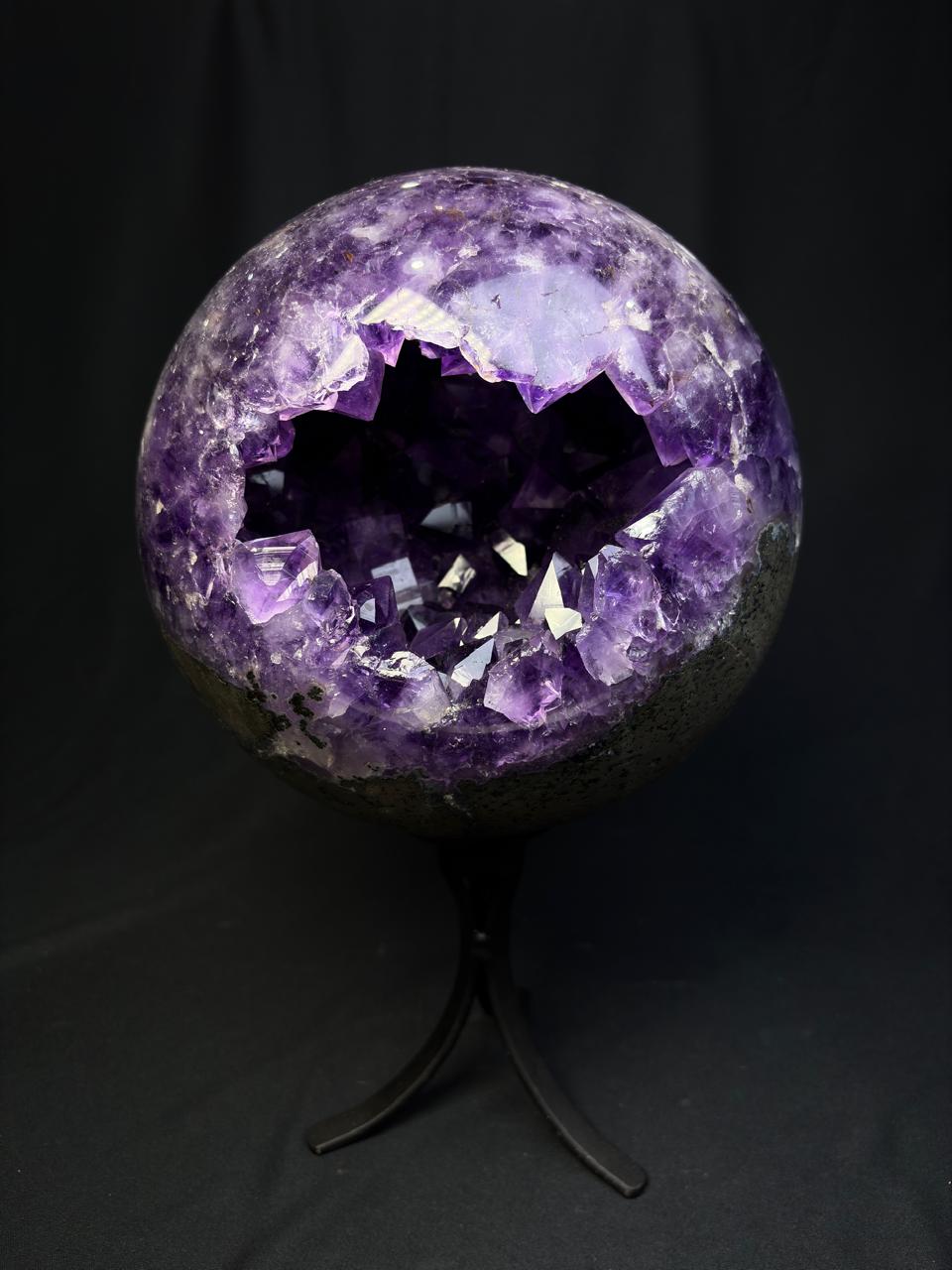
Amethyst is probably the most recognizable crystal in the world, and it sells in every format: tumbled stones, points, clusters, geodes, cathedrals and jewelry. Its purple color works for gifts, for home decor and for collectors. Large Brazilian amethyst geodes and cathedrals are also statement pieces that draw people into a store, even if only a few customers buy the biggest ones.
Clear quartz and rose quartz
Clear quartz is the default crystal for beginners and the base of many assortments. Rose quartz is a steady gift item with an obvious emotional appeal, especially around Valentine’s Day and Mother’s Day. Both are affordable at wholesale, which makes them ideal entry-level products.
Citrine
Citrine is a strong seller, but it comes with an honesty issue: most citrine on the market is heat-treated amethyst, much of it from Brazil. Demand stays high regardless, so the opportunity is to sell it with clear labeling. Shops that explain the difference between natural and heated citrine tend to earn trust instead of losing it.
Agate, tourmaline and smoky quartz
Agate slices, bookends, coasters and geodes sell well to both crystal customers and home decor buyers. Black tourmaline is a consistent seller in metaphysical shops. Smoky quartz has a loyal following among collectors. If you want a deeper view of how these stones are split by format and use, see our guide to wholesale crystals by type.
Trend Stones: Which Gemstones Are in High Demand Right Now?
Trend stones are the ones that suddenly show up everywhere. Some become new evergreens, others fade within a year. The stones below are examples of the kind of material that has gone through visible trend cycles in recent years. Treat this as a pattern to recognize, not a guaranteed forecast.
Stones driven by a single visual hook
Stones with a striking effect that looks good on camera tend to trend fast. Labradorite, with its flash of blue and gold, is a good example: it photographs beautifully under a moving light. Other examples include aura (coated) quartz, which must be disclosed as treated, and strongly patterned stones such as ocean jasper or mookaite. Visual stones do well online because the video does the selling.
Stones driven by a story
Moldavite, a natural glass from the Czech Republic linked to a meteorite impact, has gone through intense demand spikes driven by its story. Its popularity also attracted a large number of fakes, which is a warning sign for any trend stone: when demand rises faster than supply, imitations follow. Before stocking any trending stone, read up on what crystals are commonly faked and ask your supplier for origin details.
Stones driven by jewelry fashion
In fine and fashion jewelry, demand shifts with color trends and with the rise of alternatives to traditional diamonds. Colored engagement stones such as sapphire, morganite and moissanite have received a lot of attention, and lab-grown diamonds have changed the conversation in bridal jewelry. For a crystal shop, these trends matter mainly as signals of which colors customers are drawn to.
Evergreen vs Trend Stones: A Comparison for Buyers
The table below summarizes how the two groups behave and how to buy them. It is a framework, not a ranking of specific stones.
| Factor | Evergreen stones | Trend stones |
|---|---|---|
| Demand pattern | Steady, with seasonal peaks | Sharp rise, uncertain decline |
| Examples | Amethyst, clear quartz, rose quartz, citrine, agate, black tourmaline | Stones with a viral visual effect, a strong story or a fashion color |
| Main risk | Low margin if you overpay or buy poor quality | Dead stock when the trend fades, higher fake risk |
| Buying approach | Regular restocking, larger lots, negotiate on volume | Small test lots, reorder only after proven sell-through |
| Share of budget (typical approach) | The majority of inventory spend | A smaller test budget you can afford to lose |
| Best channel | In-store and online, all year | Online and social first, where the hype lives |
How Seasonality Shapes Gemstone Demand
Even evergreen stones follow a calendar. Recognizing the calendar helps you order at the right moment instead of reacting late.
- Holiday season (roughly October to December): the biggest gift period for most shops. Boxed sets, tumbled stones, jewelry and mid-size geodes tend to sell well.
- Valentine’s Day and Mother’s Day: rose quartz, heart-shaped carvings and pink or red stones get a push.
- Birthstone months: each month’s birthstone gets a small, predictable lift. Amethyst for February and citrine for November are easy wins for shops that plan ahead.
- Tourist and market seasons: shops in tourist areas or at weekend markets see demand follow visitor flows, not just holidays.
Order ahead of the peak
International shipments take time, especially from origin countries. Ask your supplier for current lead times and place your order well before the season you are targeting. Arriving two weeks after the peak is almost as bad as not arriving at all.
How to Turn Demand Signals into a Buying Plan
Knowing which gemstones are in high demand is only useful if it changes how you buy. Here is a simple process that works for small and medium retailers.
- Review your last 6 to 12 months of sales. Rank stones and formats by units sold and by revenue. The top of this list is your evergreen core.
- Set a restock rule for the core. For example, reorder when stock falls to a set number of weeks of sales. This keeps best-sellers from running out.
- Set aside a test budget. Choose a small share of your buying budget for new or trending stones. Keep it small enough that a failed test does not hurt.
- Test in small lots and multiple formats. A trending stone may sell as tumbled pieces but not as expensive towers, or the other way around.
- Measure for 4 to 8 weeks. If a test stone sells through at a pace similar to your core, promote it. If not, discount it and move on.
- Update your supplier list. A supplier who can offer both staples and occasional new material in one shipment makes testing cheaper.
Why buying close to the source helps
When you buy evergreen material closer to origin, your cost per piece is usually lower, which gives you room to discount a failed trend test without losing money overall. Watching a wholesaler’s live selling sessions is also a fast way to see what other buyers are grabbing in real time. For a broader view of sourcing channels, read our guide on where to buy crystals wholesale.
Common Mistakes When Chasing High-Demand Stones
Demand is a good reason to buy, but it is also the reason many shops lose money. These are the mistakes that come up most often.
Buying the trend at its peak
By the time a stone is everywhere, wholesale prices may already be higher and competition heavier. If you are late, buy smaller and focus on a format or price point that competitors ignore.
Ignoring authenticity
High demand attracts synthetics, glass, dyed stones and mislabeled material. Always ask the supplier what the stone is, where it comes from and whether it has been treated. Get that disclosure in writing on the invoice or product list.
Making claims you cannot support
Trend stones often come with bold metaphysical stories. You can say a stone is “traditionally associated with” a quality, but avoid presenting healing or health effects as fact. Advertising regulators in the US, UK and Australia take unsupported health claims seriously.
Forgetting the margin
A stone can be in high demand and still be a bad product for your shop if your landed cost leaves no room for a healthy markup. Always calculate price, freight, duties and taxes before calling something a winner. Our article on how to price crystals to sell covers this in detail.
Frequently Asked Questions
What gemstones are in high demand right now?
Evergreen stones such as amethyst, clear quartz, rose quartz, citrine, agate and black tourmaline remain in steady demand for crystal retailers. On top of that, trend stones rise and fall with social media, color fashion and jewelry trends. Check your own sales, search interest and customer requests to see which trends are real for your market.
Is there official data on gemstone sales by type?
There is no single public database that tracks crystal and colored gemstone sales by stone. Most trade happens privately, so published figures usually come from one marketplace or company. Treat headline percentages with caution and rely on multiple signals instead.
How can I check whether a stone is trending?
Compare relative search interest over at least 12 months with a free tool such as Google Trends, watch how often the stone appears in social content, and note what sells out at shows and live sales. The strongest confirmation is repeated customer requests in your own store. If only one signal is moving, run a small test before buying big.
More Questions
Should a new crystal shop stock trend stones?
Yes, but only a small share of the budget. A new shop needs a solid base of evergreen stones that sell every month, and a limited test budget for trends keeps the assortment fresh without risking cash flow. Reorder trend stones only after they prove they sell.
Do trending stones have a higher risk of being fake?
Often, yes. When demand grows faster than natural supply, imitations, dyed stones and mislabeled material tend to appear. Ask for origin and treatment details in writing and learn the common fakes for any stone you plan to stock.
When should I order stones for the holiday season?
Order well before the season starts, because international shipments from origin countries take time and customs clearance can add delays. Ask your supplier for current lead times and plan backwards from the date you want stock on the shelf. Many retailers place holiday orders months in advance.
Stock the Stones That Sell with CS Minerals
CS Minerals has spent 25 years supplying crystals and minerals from Soledade, Rio Grande do Sul, Brazil’s agate capital. You can combine evergreen Brazilian staples such as amethyst, citrine, agate and quartz with selected stones from other origins in one international shipment, starting from a US$100 minimum order. Watch our live selling Monday to Friday, 8am to midnight Brazilian time, on Instagram @csminerals to see what other buyers are picking in real time, then learn how to order wholesale crystals from our warehouse.