
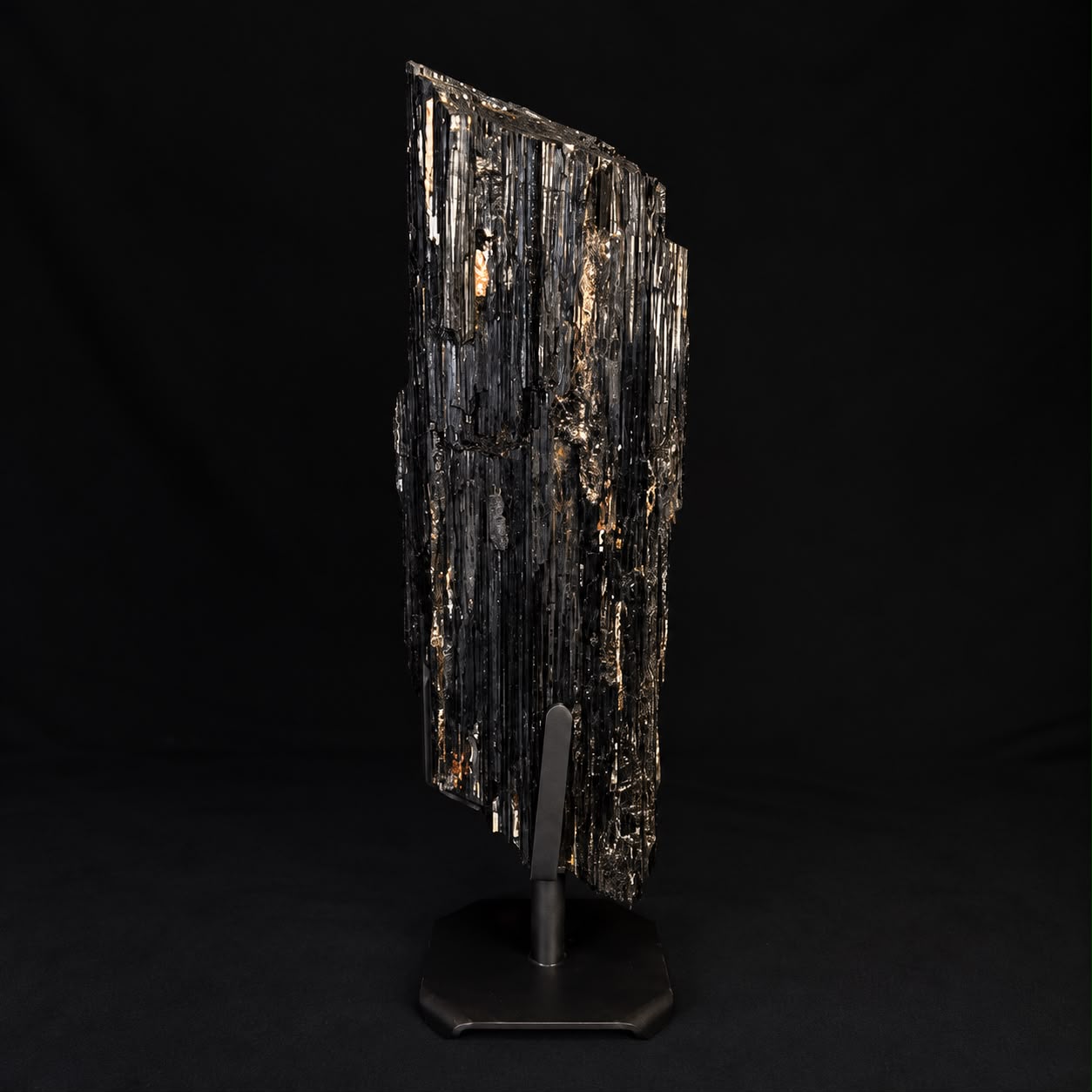
The best crystal display ideas for retail combine three things: a strong focal piece near the entrance, clear lighting that shows color and sparkle, and tidy groupings with visible price labels so customers can buy without asking. Crystals sell on sight and touch, so displays should invite people to pick stones up while keeping heavy or fragile pieces safe. Thoughtful changes in layout and lighting can improve how customers discover and evaluate your collection.
This matters because a crystal shop has hundreds of small, similar items. Without structure, even great material looks like clutter and customers may feel overwhelmed. A thoughtful display guides the eye, tells a story about each stone and makes the price feel fair. The ideas below work for dedicated crystal shops, metaphysical stores, gift shops and boutiques that carry a crystal corner.
Why Does Display Matter So Much for Crystals?
Crystals are visual and tactile products. Customers may discover what appeals to them only after seeing the stones in person. Display is how you create that moment.
What good display does
- Draws people in from the street or the aisle with a striking focal piece.
- Reduces decision fatigue by grouping stones logically.
- Helps communicate the value of premium pieces by giving them space and light.
- Encourages add-on sales through small, affordable items near the counter.
- Builds trust with clear labels showing the stone name, verified origin where available, and price.
The clutter problem
Many crystal shops fall into the trap of showing everything at once. Baskets of mixed stones, crowded shelves and handwritten notes can feel charming in small doses, but too much makes the shop feel like a warehouse. Space is part of the display. Leaving room around a piece tells customers it is worth looking at.
Crystal Display Ideas for Retail: Start with a Statement Piece
Every shop needs an anchor, a piece that stops people in their tracks. Large amethyst geodes, cathedrals, big quartz clusters and polished agate pieces are ideal because they are dramatic and clearly natural.
Where to place it
Put your statement piece where people see it first: in the front window, just inside the entrance or at the end of a main aisle. Give it a solid base, good lighting and space around it. Many customers will never buy the big piece, but it sets the tone and makes smaller items nearby feel more valuable.
Choosing the right anchor
- Amethyst cathedrals: tall, deep purple and easy to light from the front.
- Amethyst or agate geodes: open halves or pairs show the hollow interior.
- Large quartz clusters: catch light and work well in bright, modern spaces.
- Polished agate slices in a backlit frame or window, where light passes through the bands.
- Calcite or smoky quartz pieces for a warmer, earthy look.
Rotate the anchor every few months so regular customers see something new. When it sells, replace it quickly, because an empty focal point makes the whole shop feel smaller. If you are unsure how different categories are sold at wholesale, our guide to wholesale crystals by type explains the difference between decor pieces, specimens and lot material.
How Should You Organize Crystals in a Store?
Organization is the backbone of any display. There is no single right system, but whichever you choose, apply it consistently so customers learn how to navigate your shop.
Common ways to group crystals
| Grouping method | Works well for | Watch out for |
|---|---|---|
| By stone type | Customers who know what they want | Can look repetitive without variety in shape |
| By color | Visual impact, gift shoppers, social media photos | Mixing similar-looking stones can confuse labels |
| By shape or format | Towers, spheres, tumbled, raw, slices | Harder to compare the same stone across formats |
| By price tier | Impulse buying and budget shoppers | Can cheapen premium pieces if mixed poorly |
| By traditional theme | Metaphysical shops (for example, "calm" or "focus" tables) | Keep language as "traditionally associated with", not health claims |
A practical hybrid
Many shops use color or stone type on the main shelves, a price-tier area near the counter and a small themed table that changes monthly. This mix serves both the customer who comes in for rose quartz and the one who just wants something pretty under a set budget.
Height and flow
Arrange displays at different heights: tall pieces at the back, medium in the middle, small in front. Use risers, stands and stacked blocks to create levels on flat tables. Keep main walkways clear so people can move around without bumping displays, especially where fragile or heavy pieces sit.
Lighting: Crystal Display Ideas for Retail That Make Stones Shine
Lighting is where many shops lose sales without realizing it. The same amethyst can look dull under flat ceiling lights and rich under focused, warm light.
Types of lighting to combine
- Ambient light: general room lighting, soft and even.
- Accent light: spotlights or track lights aimed at statement pieces and key shelves.
- Shelf and cabinet light: LED strips inside glass cabinets and under shelves.
- Backlighting: light boxes or window placement for agate slices and translucent stones.
Color temperature and quality
Choose LED bulbs with a high color rendering index (CRI) to represent stone colors as accurately as possible. Many shops find that neutral to warm white light works well for most crystals, while slightly cooler light can make clear quartz look crisp. Test a few bulbs with your own stock before buying for the whole shop.
Protect stones from fading
Some minerals, including certain amethyst, rose quartz and citrine specimens, may change color after prolonged exposure to strong sunlight. Avoid leaving these in direct sun in a front window for long periods. Rotate window displays, use UV-filtering film on glass if needed, and keep sun-sensitive stones for interior shelves.
Window displays that work after dark
Your window sells even when the shop is closed. Light it in the evening with a timer so people walking past can still see the statement piece. Keep the window simple: one strong anchor, two or three supporting pieces and a small sign with your opening hours or website. Change the theme with the seasons, such as warm citrine and smoky quartz in autumn or clear quartz and white calcite in winter, and remember to swap sun-sensitive stones for others during the brightest months.
Price Labels and Information Cards
Clear labels do a lot of selling for you. Customers who cannot see a price often assume it is too expensive and walk away rather than ask.
What a good label includes
- Stone name, spelled correctly.
- Country of origin when you know it, for example "Amethyst, Brazil".
- Treatment disclosure where relevant: dyed, heated, coated.
- Price, clearly visible from a normal standing distance.
- Optional: a short line on what the stone is traditionally associated with, without health claims.
Format and consistency
Use the same card style, font and size across the shop. Printed labels look more professional than handwriting, although a handwritten "staff pick" card can add warmth in small doses. For bowls of tumbled stones, one card per bowl works well, with a "per piece" or "per weight" price.
If you are unsure how to set retail prices, our guide on how to price crystals to sell explains markup logic by category and how to price unique pieces.
Honest labeling protects your shop
Mislabeling can lead to complaints and, in some markets, trouble with consumer protection rules. Label glass and man-made stones clearly, disclose dyes and heat treatment, and avoid claims that a stone heals or treats any condition. Honest labels build long-term trust and repeat customers.
Safety for Heavy and Fragile Pieces
Large geodes and cathedrals can weigh a lot, and a falling piece can injure a customer or break a valuable stone. Safety should be designed into your displays from the start.
Practical safety steps
- Use solid bases made for the piece, such as heavy metal or wooden stands.
- Place heavy items low, on the floor or lower shelves, never on high or narrow shelves.
- Check shelf load ratings before placing large pieces, and reinforce where needed.
- Anchor tall pieces or displays to the wall if they could tip, especially in busy areas.
- Keep walkways clear around large pieces so bags and elbows do not knock them.
- Use "please ask for help" signs on heavy items so customers do not try to lift them.
- Store fragile clusters behind glass or on shelves with a raised lip.
Kids, pets and busy days
If families visit often, keep sharp clusters and heavy items out of easy reach of small children. On busy days, such as holiday weekends or events, consider moving the most fragile pieces into cabinets for a few hours. Careful planning helps reduce the risk of accidents.
Small Items, Counters and Impulse Sales
While statement pieces draw people in, small, affordable items can encourage frequent purchases. Tumbled stones, small points, palm stones and slices are classic impulse buys.
Counter display ideas
- Bowls of tumbled stones sorted by color, with a single clear price.
- "Pick three" or bundle offers that raise the average sale.
- Small gift boxes or pouches next to the tumbled stones.
- Seasonal mini displays, such as birthstones for the month or holiday gift sets.
Let customers touch
Crystals are tactile. Bowls that invite people to dig in and pick their own stone create a small ritual that customers enjoy. Keep these bowls clean and well stocked, and remove chipped pieces regularly so the display always looks fresh.
Keeping Displays Fresh and Measuring Results
Even great displays get stale. Regular changes keep returning customers curious and help you learn what works.
A simple refresh routine
- Weekly: dust, tidy, restock bowls and replace chipped or missing labels.
- Monthly: change a themed table or window display.
- Quarterly: rotate or replace the main statement piece and review shelf layout.
Measure what sells
Track sales by display area as well as by stone. If a shelf with good lighting sells far more than a dim corner, you have learned something about your shop. Move slow sellers to better spots before discounting them. Over time, these small tests tell you which crystal display ideas for retail actually work in your space.
Photograph your displays
Good displays also feed your social media and website. Take photos after every refresh. Customers often visit a shop because they saw a piece online, and a well-lit geode or colorful counter is ideal content. For more on this, see our guide on how to sell crystals online.
Frequently Asked Questions
How do I display crystals in a retail store?
Start with a statement piece near the entrance, group stones by type, color or price, and use different heights to create depth. Add accent lighting to key pieces and clear labels with name, origin and price. Keep small, affordable items near the counter for impulse sales.
What lighting is best for displaying crystals?
LED lighting with a high color rendering index shows the true color of crystals. Combine soft ambient light with focused accent lights on statement pieces and shelf lighting in cabinets. Test a few color temperatures with your own stock before committing.
Can sunlight damage crystals on display?
Yes, some crystals can fade with long exposure to strong sunlight. Amethyst, rose quartz and some citrine are commonly mentioned. Rotate window displays and keep sun-sensitive stones away from direct sun for long periods.
How should I display large geodes safely?
Place large geodes on solid, purpose-made bases on the floor or low, reinforced shelves. Anchor tall pieces if they could tip and keep walkways clear around them. Add a sign asking customers to request help before moving heavy items.
Should crystals have price tags?
Yes, visible prices usually help sales because many customers will not ask. Use consistent printed labels with the stone name, origin where known, any treatment disclosure and the price. For bowls of tumbled stones, one clear label per bowl is enough.
How often should I change my crystal displays?
Tidy and restock weekly, change a themed table or window monthly, and rotate your main statement piece every few months. Regular changes keep returning customers interested. Track sales by display area to see which changes work.
Stock Your Displays with CS Minerals
CS Minerals is based in Soledade, Rio Grande do Sul, Brazil, a well-known center for amethyst and agate trading. We offer a changing selection of amethyst geodes and cathedrals, agate decorative pieces, quartz clusters and other minerals for retail displays, collector collections and home decor projects.
Because natural specimens differ in shape, size, color and weight, our team helps buyers evaluate individual pieces through Instagram live sales and personalized video calls. Product availability, stand or base inclusion, and options for matching lots should be confirmed for each order rather than assumed.
We serve international wholesale customers and primarily arrange shipments through FedEx. Freight is quoted according to the destination, packed weight and order details. Import taxes and customs charges at destination are generally the buyer's responsibility.
Want to refresh your crystal shop displays? Tell our team which stones, sizes and styles you need. We can show available pieces and help you select statement specimens and complementary items for your store.
Instagram: @csminerals Website: csminerals.store WhatsApp: +55 54 99315-5902
Leave a Reply