
By the CS Minerals Wholesale Team · Last updated
You can buy natural gemstones wholesale from suppliers close to the mining origin, from specialist importers and from established dealers at gem shows, but the channel matters less than one habit: getting a written statement of whether each stone is natural, treated, synthetic or imitation. “Natural” should mean the stone formed in the earth. It does not automatically mean untreated, and many perfectly legitimate gemstones on the market are heated, dyed, irradiated or filled.
This matters because your customers trust your label, not your supplier’s. If a stone you sold as natural turns out to be dyed or synthetic, the reputational and legal risk lands on you. This guide explains what “natural” actually covers, which stones are commonly treated, and how to buy with disclosure you can pass on to your customers.
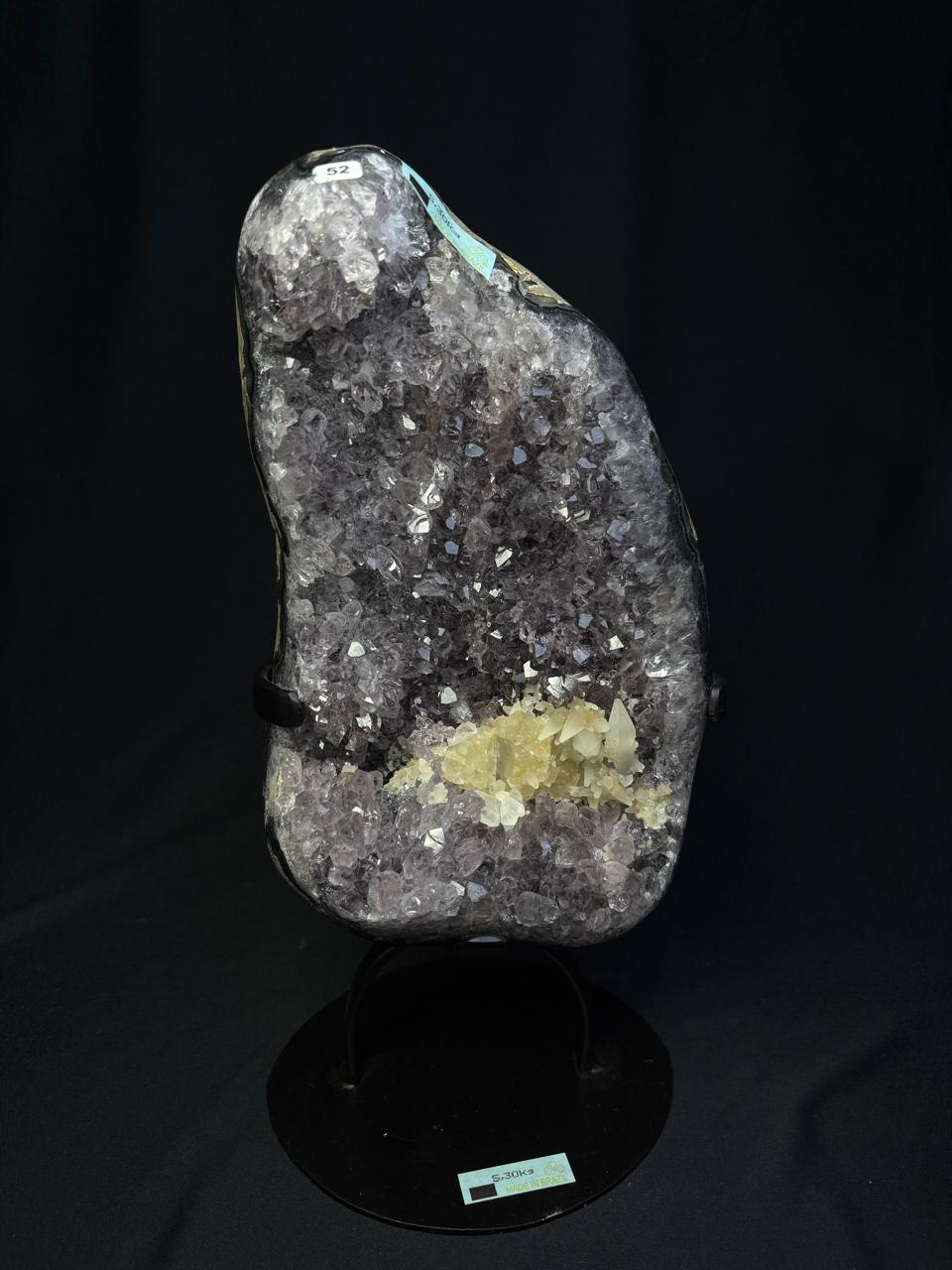
What Does “Natural” Mean in Gemstones?
The word gets used loosely, so it helps to separate four categories that the trade and consumer protection guidance treat differently.
Natural
A natural gemstone formed in nature, without human creation. It may or may not have been treated after mining. A heated sapphire is still a natural sapphire, but it is a treated one.
Treated
A treated gemstone is a natural stone whose color, clarity or durability has been changed by a process such as heating, dyeing, irradiation, coating, oiling or filling. Treatment is common and not dishonest in itself. Hiding it is.
Synthetic or lab-created
A synthetic stone has essentially the same chemistry and structure as the natural one, but was made in a laboratory. Lab-created quartz, sapphire, ruby, emerald and spinel all exist and can be hard to tell apart from natural without testing.
Imitation or simulant
An imitation only looks like the stone it copies. Glass sold as quartz, dyed howlite sold as turquoise, and opalite, a glass product, are common examples in the crystal trade.
In the United States, the FTC Guides for the Jewelry, Precious Metals and Pewter Industries set out how these terms may be used and when treatments should be disclosed. Similar consumer protection rules apply in the UK, EU and Australia. Read the current official guidance for your market before writing labels.
Which Stones Are Commonly Treated?
Some materials are rarely treated, while others are almost always treated. Knowing the difference tells you which questions to ask and which prices make sense.
| Stone | Common treatments | How often treated | What to ask the supplier |
|---|---|---|---|
| Citrine | Heating of amethyst or smoky quartz | Very common; most market citrine is heated | Natural or heat-treated? |
| Amethyst | Occasional heating to lighten color | Usually untreated | Any heating on this lot? |
| Agate | Dyeing (blue, pink, green, purple) | Very common for bright colors | Natural color or dyed? |
| Smoky quartz | Irradiation of clear quartz | Common in some markets | Natural color or irradiated? |
| Aura quartz | Metal vapor coating | Always, by definition | Sold as coated quartz? |
| Blue topaz | Irradiation and heating | Almost always | Treatment stated on invoice? |
| Sapphire and ruby | Heating; some ruby is glass-filled | Heating very common | Heated, unheated or filled? |
| Emerald | Oil or resin filling of fractures | Very common | Degree of clarity enhancement? |
| Turquoise | Stabilizing, dyeing; howlite imitations | Very common | Natural, stabilized or imitation? |
| Aquamarine | Heating to remove green tones | Common | Heated or natural color? |
| Rose quartz, clear quartz | Rarely treated; glass imitations exist | Usually natural | Natural quartz or glass? |
Treatment practices change and vary by source, so treat this table as a guide to what to ask, not as a guarantee about any specific lot.
Where to Buy Natural Gemstones Wholesale
Every channel can sell both natural and treated goods. What changes is how much information survives the journey from mine to your shop.
Suppliers near the mining origin
Origin suppliers see the material from rough onward, so they know which lots were heated, dyed or left alone. Buying close to the source is one of the best ways to get reliable disclosure, especially for the materials that region actually produces. Brazil, for example, is a major source of amethyst, agate, citrine and quartz. See our overview of crystals found in Brazil for the main materials.
Specialist importers
A good importer buys from known sources and keeps records. Ask whether they buy directly from origin or from other wholesalers. Every extra hand in the chain is a chance for treatment information to be lost.
Gem shows
Shows let you inspect stones and question dealers face to face. They also let you compare the same material across many sellers, which quickly reveals prices that are too low to be natural.
Open online marketplaces
This is where mislabeled goods are most common. Listings that say “100% natural” on bright blue agate or perfectly uniform “citrine” at rock-bottom prices are warning signs. Use these platforms with caution and never for core inventory without testing.
If you are still choosing a supplier, our supplier evaluation guide includes a checklist you can apply to disclosure practices.
How Do You Get Disclosure in Writing?
Verbal assurances are not enough. The invoice and product description are what protect you if a customer, a marketplace or a regulator ever asks.
What the invoice should say
- The correct material name, for example “amethyst (quartz)” rather than a trade name.
- Whether the stone is natural, treated, synthetic or imitation.
- The specific treatment when known: heated, dyed, irradiated, coated, oiled, filled or stabilized.
- The country of origin when known.
- Weight or quantity, and the unit price.
Questions to send before you order
- Is this lot natural color, or has it been heated, dyed, irradiated or coated?
- Where was the material mined, and where was it processed?
- Will the treatment status appear on the invoice?
- If a lab later finds an undisclosed treatment, what is your policy?
A supplier who answers clearly and puts it in writing is worth more than a slightly cheaper one who avoids the question.
Keeping records
Store invoices and supplier emails by lot. When you relabel stones for retail, carry the treatment information onto your price tags, product pages and receipts. That paper trail is what lets you answer a customer’s question with confidence months later.
How Can You Check That Wholesale Stones Are Natural?
You do not need a full gem lab to catch the most common problems. A few basic checks go a long way, and a lab can handle the rest for high-value stones.
Simple checks any retailer can do
- Look for bubbles and swirl marks with a loupe. They often indicate glass.
- Check color at cracks and drill holes. Dye tends to concentrate there.
- Compare uniformity. Natural stones vary. A whole lot of identical color and pattern deserves a second look.
- Check the price. A natural stone offered far below every other source is rarely what it claims.
- Look at the base of citrine clusters. Heated amethyst often shows a whitish base and orange tips.
When to use a lab
For expensive stones such as fine sapphire, ruby, emerald or large faceted pieces, a report from a recognized gemological laboratory is worth the fee. It can identify synthetics, treatments and sometimes origin. For commercial quartz family material, written supplier disclosure and your own checks are usually the practical standard.
Build a reference set
Keep a small collection of known natural and known treated samples: natural and heated citrine, natural and dyed agate, real quartz and glass. Comparing new stock against them trains your eye fast.
Honest Labeling: Selling Natural and Treated Stones Side by Side
Treated stones are not a problem to hide. They are often beautiful, affordable and popular. The problem is only mislabeling. Many successful shops sell both, clearly marked.
Labeling examples
| Instead of | Write |
|---|---|
| Citrine | Citrine (heat-treated amethyst), Brazil |
| Blue agate | Dyed agate, Brazil |
| Rainbow quartz | Aura quartz (coated quartz) |
| Turquoise | Dyed howlite (turquoise imitation) |
| Cherry quartz | Glass (cherry quartz is a trade name for glass) |
Why honest labels help sales
Customers who learn later that a stone was dyed rarely come back. Customers who were told upfront usually do not mind, and many appreciate the explanation. Clear labels also protect you on marketplaces that remove listings for misleading descriptions.
A note on claims
Alongside treatment disclosure, avoid presenting healing or health effects as facts. Metaphysical meanings can be described as what a stone is “traditionally associated with”. Our guide on whether you need a license to sell crystals covers other compliance basics for retailers.
How Do Natural and Treated Stones Differ in Price and Margin?
Disclosure is not only a compliance issue. It changes what you should pay, what you can charge and which customers each stone is for.
Price tiers you will see wholesale
- Documented natural, untreated: the highest price tier, especially for stones that are usually treated, such as natural-color citrine or unheated sapphire.
- Natural, routinely treated: the mainstream tier, such as heated citrine, heated aquamarine or oiled emerald. Priced for volume.
- Natural, strongly altered: dyed agate, coated aura quartz, stabilized turquoise. Often affordable and colorful, with a different buyer in mind.
- Synthetic and imitation: the lowest cost tier. Fine to sell when labeled as what they are.
Matching the tier to your customer
A collector or a jeweler making fine pieces will pay more for documented natural material and will ask about it. A gift shop customer buying a bright blue agate slice mostly wants color and price. Both sales are legitimate. The only mistake is charging a natural price for a treated stone, or letting the customer believe something that is not true.
Where the margin really comes from
Margin in natural gemstones wholesale comes from buying each tier at the right price and labeling it correctly. If a supplier charges natural prices for treated goods, your margin disappears the day a customer finds out. If you buy treated goods cheaply and label them honestly, they can be some of the best sellers in the shop. Our article on how much crystals cost wholesale explains the main price drivers in more detail.
Natural Gemstones Wholesale from Brazil: How CS Minerals Works
CS Minerals is a wholesaler based in Soledade, Rio Grande do Sul, widely known as Brazil’s agate capital, with 25 years of experience in the trade. Its core material is Brazilian: amethyst, citrine, agate, clear and smoky quartz, calcite, rose quartz, tourmaline, geodes and cathedrals, plus sodalite from Bahia and hematite from Minas Gerais.
Some non-Brazilian stones, such as tiger’s eye from South Africa, labradorite from Madagascar or moldavite from the Czech Republic, can be consolidated in the same shipment and are always named under their real origin. The minimum order is US$100, with international shipping on wholesale orders, and material is shown on live selling from the warehouse, Monday to Friday, 8am to midnight Brazilian time, on Instagram @csminerals. Ask the team about treatment status for any lot before you order.
Frequently Asked Questions
Are natural gemstones always untreated?
No. “Natural” means the stone formed in the earth rather than in a lab. Many natural stones are then heated, dyed, irradiated or filled. Ask the supplier for both facts: natural or not, and treated or not.
Is heat-treated citrine considered natural?
The quartz itself is natural, but its color comes from heating amethyst or smoky quartz. Most citrine on the market is produced this way, much of it from Brazilian amethyst. It should be sold as heat-treated citrine rather than as natural-color citrine.
Do I have to tell customers a gemstone is treated?
In many markets, yes, especially when the treatment affects value, is not permanent or needs special care. In the US, the FTC Jewelry Guides cover this, and similar consumer rules exist in the UK, EU and Australia. Check current official guidance for your country.
More Questions
How can I tell if agate is dyed?
Very bright blue, pink, green or purple agate is almost always dyed. Look for color concentrated in cracks, bands that are unnaturally even, and color that seems to sit on the surface. Ask the supplier to state the treatment on the invoice.
Is buying from the mining country a guarantee of natural stones?
No, treatments are also done at origin, for example heating amethyst into citrine or dyeing agate. What origin buying offers is better information, because the supplier handled the material from the rough stage. Always get treatment status in writing wherever you buy.
Are natural gemstones more expensive wholesale?
Usually, yes, when compared with treated versions of the same material, and much more than synthetics or imitations. Natural-color citrine, for example, is rarer than heated citrine. Expect to pay more for stones with reliable, documented natural status.
Buy Brazilian Stones with Clear Disclosure
If you want natural gemstones wholesale with information you can pass on to customers, buying close to the source helps. CS Minerals brings 25 years in the trade from Soledade, a US$100 minimum order, worldwide shipping on wholesale orders and weekday live selling so you can see material before you buy. Start on our how to order wholesale page or browse the wholesale collection.