
By the CS Minerals Wholesale Team · Last updated
To learn how to buy gemstones wholesale, focus on four things: the unit you are buying in (carats, grams, kilos or pieces), the lot format (single stones, calibrated parcels or mixed lots), the grading language the seller uses, and the payment and shipping terms written on the invoice. Get those four right and most wholesale mistakes disappear. Start small, sample first, and put every assumption in writing before money moves.
Wholesale gemstone buying looks simple from the outside: find a supplier, pick stones, pay. In practice, the same word can mean different things to different sellers, and the price per unit hides as much as it reveals. This guide walks through the vocabulary and the terms so you can compare offers on equal footing.
Carats, Grams, Kilos or Pieces: Which Unit Are You Buying?
Wholesale gemstones are sold in several units, and mixing them up is the fastest way to overpay.
By the carat
The carat is a unit of weight equal to 0.2 grams, so one gram equals five carats. Faceted stones and better cabochons are usually priced per carat. Price per carat often rises with size, because larger clean stones are rarer, so a 5 carat stone can cost far more than five 1 carat stones of the same material.
By the gram or kilo
Beads, tumbled stones, rough, slabs and lower-value cabochons are often sold per gram or per kilo. Crystals, clusters and geodes are also commonly sold by weight.
By the piece
Calibrated stones, cut to standard millimeter sizes for jewelry settings, are often sold per piece. So are unique stones and finished decor items.
Quick conversion table
| Unit | Equals | Typical use |
|---|---|---|
| 1 carat (ct) | 0.2 grams | Faceted stones, fine cabochons |
| 1 gram | 5 carats | Small parcels, beads, rough |
| 1 kilogram | 1,000 grams (5,000 carats) | Tumbled stones, rough, crystals |
| 1 pound | About 454 grams | Common in US bulk pricing |
When comparing two offers, convert both to the same unit. A price that looks cheap per gram can be expensive per carat, and the other way around.
How Do Gemstone Lots and Parcels Work?
Most wholesale gemstones are not bought one at a time. They come in lots and parcels, and the format affects price, choice and risk.
Calibrated parcels
A calibrated parcel contains stones cut to the same shape and size, for example 6×4 mm ovals or 8 mm rounds. Jewelers use them for production because the stones drop straight into standard settings. Consistency of color and cut across the parcel is the main quality point.
Mixed or assorted parcels
Mixed parcels combine different sizes, shapes or grades. They are cheaper per carat but include stones you may not be able to use. They suit designers making one-of-a-kind pieces more than production jewelers.
Lots by weight
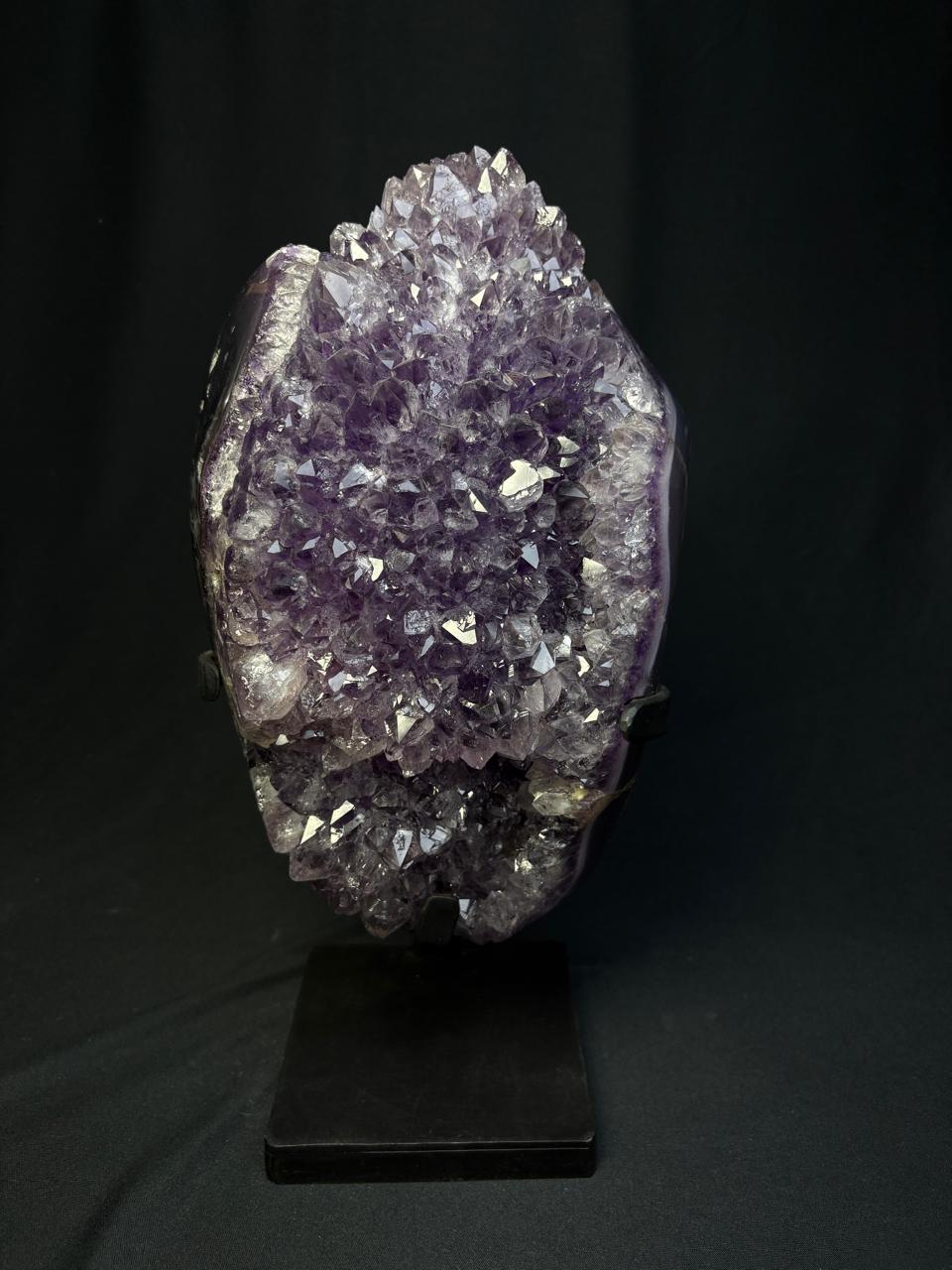
Crystals, tumbled stones and rough are usually sold in lots by weight, often grouped by size range. A “1 kg lot of medium amethyst points” is a typical example. Ask what size range and grade the lot contains before ordering.
Picked versus unpicked
If a seller lets you choose stones from a parcel, expect a higher price. The best stones leave with you, and what remains is worth less. Unpicked parcels are cheaper because you accept the mix as it comes.
Memo and consignment
Some established dealers send stones on memo, meaning you hold them for a set time and pay only for what you keep. Memo is usually offered only to trusted, long-standing accounts, so do not expect it on a first order.
What Does Gemstone Grading Language Mean?
Unlike diamonds, colored gemstones have no single universal grading system used by every seller. You will hear the same words everywhere, but each supplier applies them in their own way.
Color
Color is usually the biggest value driver. Gemologists describe it by hue (the basic color), tone (how light or dark) and saturation (how intense). In amethyst, for example, a deep, even purple without brown or gray tones is generally valued more than pale or patchy color.
Clarity
Clarity expectations depend on the stone. Some gems, such as aquamarine and citrine, are normally found quite clean, so visible inclusions reduce value noticeably. Others, such as emerald, almost always contain inclusions, and buyers accept more of them. Eye-clean means no inclusions visible to the naked eye at normal viewing distance.
Cut
A good cut shows the color evenly and returns light. Watch for windowing, a washed-out area in the center where light passes straight through, and extinction, dark areas that do not light up. Also check symmetry, polish and whether the stone is too shallow or too deep for standard settings.
Letter grades
- Labels like A, AA, AAA and AAAA are seller grades, not an industry standard.
- “Commercial”, “fine” and “gem” or “top” quality are also used differently from seller to seller.
- Always ask for photos or samples of each grade before ordering by grade name.
How to Buy Gemstones Wholesale Step by Step
Here is a practical sequence that works whether you are buying faceted stones, cabochons or crystals.
- Define the need. Write down material, shape, size, grade and quantity. Vague requests get vague quotes.
- Ask for a quote in writing. Include the unit (carat, gram, piece), grade description and treatment status.
- Request samples or video. See the actual lot, or a representative sample, under natural light.
- Place a small first order. Check quality, packing, accuracy and communication before scaling.
- Compare the delivery with the sample. Weigh, measure and inspect every lot on arrival.
- Record yield and sell-through. Track which lots sold fast and which lingered.
- Scale with the suppliers who delivered. Negotiate better terms once you have a track record.
If your focus is crystals, clusters and geodes rather than cut stones, our step-by-step guide on how to buy crystals wholesale covers the crystal side in more depth.
Why sampling saves money
Photos can be edited and lighting can flatter any stone. A sample, or live video of the actual lot, shows you what you will really receive. The cost of a small sample order is tiny compared with the cost of an unsellable large lot.
Which Payment Terms Are Common in Wholesale Gemstones?
Payment terms protect both sides. Agree on them before the order is packed, not after.
Common payment arrangements
| Arrangement | How it works | Typical for |
|---|---|---|
| Full prepayment | You pay before goods are shipped | First orders, international buyers |
| Deposit plus balance | Part paid to reserve, rest before shipping | Large or custom orders |
| Net terms (for example net 30) | You pay within a set period after delivery | Established domestic accounts |
| Memo | Pay only for stones you keep | Trusted, long-standing buyers |
Payment methods
International gemstone orders are often paid by bank wire transfer. Card and online payment platforms may be available with some suppliers, often with added fees. Check who pays bank charges and currency conversion costs, since these can add a noticeable amount to small orders.
Protecting yourself
- Pay only to a bank account in the supplier’s company name.
- Confirm bank details by phone or video if they ever change.
- Keep the proforma invoice, confirmation emails and payment receipt together.
What Shipping and Delivery Terms Should You Agree On?
Shipping terms decide who pays for freight, who handles customs and who carries the risk if something goes wrong in transit.
Incoterms in plain language
International trade often uses Incoterms, standard rules published by the International Chamber of Commerce. A few you will see:
- EXW (Ex Works): you collect from the seller’s premises and handle everything after that.
- FOB (Free On Board): the seller delivers goods onto the vessel at the port of export; used for sea freight.
- CIF (Cost, Insurance and Freight): the seller pays freight and insurance to your port; you handle import.
- DDP (Delivered Duty Paid): the seller delivers to your door with import duties and taxes paid.
Not every supplier offers every term. Ask which terms apply to your order and make sure they appear on the invoice.
Courier versus freight
Small, high-value parcels of cut stones usually travel by express courier. Heavy crystal and rough orders may go by air freight or sea freight. Ask your supplier for current options and lead times to your country, and compare the total landed cost.
Insurance and breakage
Ask whether the shipment is insured, for what value, and what happens if items arrive damaged. Get the answer in writing. For fragile items such as clusters and geodes, also ask how pieces are packed.
Customs
Import duties, taxes and paperwork depend on your country and change over time. Check with your customs authority or a licensed customs broker before your first international order, and ask the supplier which documents come with the shipment.
Common Mistakes to Avoid When You Buy Gemstones Wholesale
Most costly errors are avoidable. These are the ones that come up again and again.
- Comparing prices in different units. Always convert to the same unit before choosing.
- Trusting grade names without samples. One seller’s AAA is another’s AA.
- Ignoring treatment status. Heated, dyed or irradiated stones must be priced and labeled accordingly.
- Skipping the landed cost. Freight, duties, taxes and bank fees can change which offer is cheapest.
- Ordering too big too soon. A small test order reveals quality and reliability at low risk.
- Leaving terms unwritten. Payment, shipping, insurance and returns should all be on paper.
Once you know your real cost per stone, pricing becomes much easier. Our guide on how to price crystals to sell shows how to turn landed cost into a retail price.
Buying from CS Minerals: How It Works
CS Minerals is a Brazilian wholesaler based in Soledade, Rio Grande do Sul, widely known as Brazil’s agate capital, with 25 years of experience. The catalog has two models: the Home Decor section sells the exact finished piece you see, while the other sections (Amethyst and Citrine, Quartz, Agate, Specimens, Carved and Polished, Rough and Polished Stones) are quoted by lot and material.
The minimum order is US$100, with international shipping on wholesale orders. Lots are shown on live selling from the warehouse, Monday to Friday, 8am to midnight Brazilian time, on Instagram @csminerals, so you can ask to see material before you buy. Ask the team for current shipping options, lead times and payment details for your country.
Frequently Asked Questions
How many carats are in a gram?
One gram equals five carats, because a carat is 0.2 grams. This matters when comparing prices, since some sellers quote per carat and others per gram. Always convert both offers to the same unit before deciding.
What is a gemstone parcel?
A parcel is a group of stones sold together at one price. Calibrated parcels contain stones of the same shape and size, while mixed parcels combine different sizes or grades. Picked parcels, where you choose stones, usually cost more.
Is there a standard grading system for colored gemstones?
Not one that every seller uses. Terms like AAA, fine or commercial are defined by each supplier. Gemological labs describe color, clarity and cut in more precise terms, but for most wholesale buying you should rely on samples and written descriptions.
More Questions
How should I pay a wholesale gemstone supplier abroad?
Bank wire transfer to an account in the supplier’s company name is common for international orders. Confirm bank details directly with the supplier and keep all invoices and receipts. Ask who pays bank fees and currency conversion costs.
What does FOB or DDP mean on a gemstone order?
These are Incoterms that define who pays for freight, insurance and import costs. Under FOB, the seller delivers the goods onto the vessel at the export port and you take over from there. Under DDP, the seller delivers to your door with import duties and taxes paid.
What minimum order should I expect when buying gemstones wholesale?
Minimums vary widely, from low amounts with origin suppliers to several thousand dollars with some distributors. CS Minerals, for example, has a US$100 minimum order. Start with a small order to test quality before committing larger amounts.
Start with a Small Order and Scale What Works
The best way to learn how to buy gemstones wholesale is with a real, low-risk first order from a supplier who shows you the material and puts the terms in writing. CS Minerals offers 25 years of experience from Soledade, a US$100 minimum order, worldwide shipping on wholesale orders and weekday live selling from the warehouse. See the steps on our how to order wholesale page.