Quick answer: To buy crystals wholesale, follow eight steps: define your customer, build a product mix across price tiers, understand the supplier’s MOQ, compare suppliers on a fixed set of criteria, decide between a domestic supplier and direct import, calculate true landed cost, reduce risk on the first order, and build a reordering rhythm.
The mistake that costs new buyers the most is not overpaying for stones. Instead, it is buying the wrong mix: usually all low-price volume, which leaves no margin, or all expensive display pieces, which ties up capital that does not turn. This guide therefore works through the sequence in order.
Before You Buy Crystals Wholesale, Start With Your Customer
Every decision downstream (species, size, price tier, packaging, reorder frequency) follows from who is buying. Decide this before you open a catalog.
Metaphysical stores
Customers browse, handle and often buy more than one item, so the format rewards breadth across price points and a visible display piece that gives the store its character. Replenishment matters more than novelty: a customer who bought a stone they liked will come back for its companion.
Gift shops
Crystals compete for shelf space against everything else in the store, so unit price and sell-through speed dominate. Polished, packaged, clearly labelled goods at accessible price points outperform specimen-grade material here, while heavy items are a liability on a shared fixture.
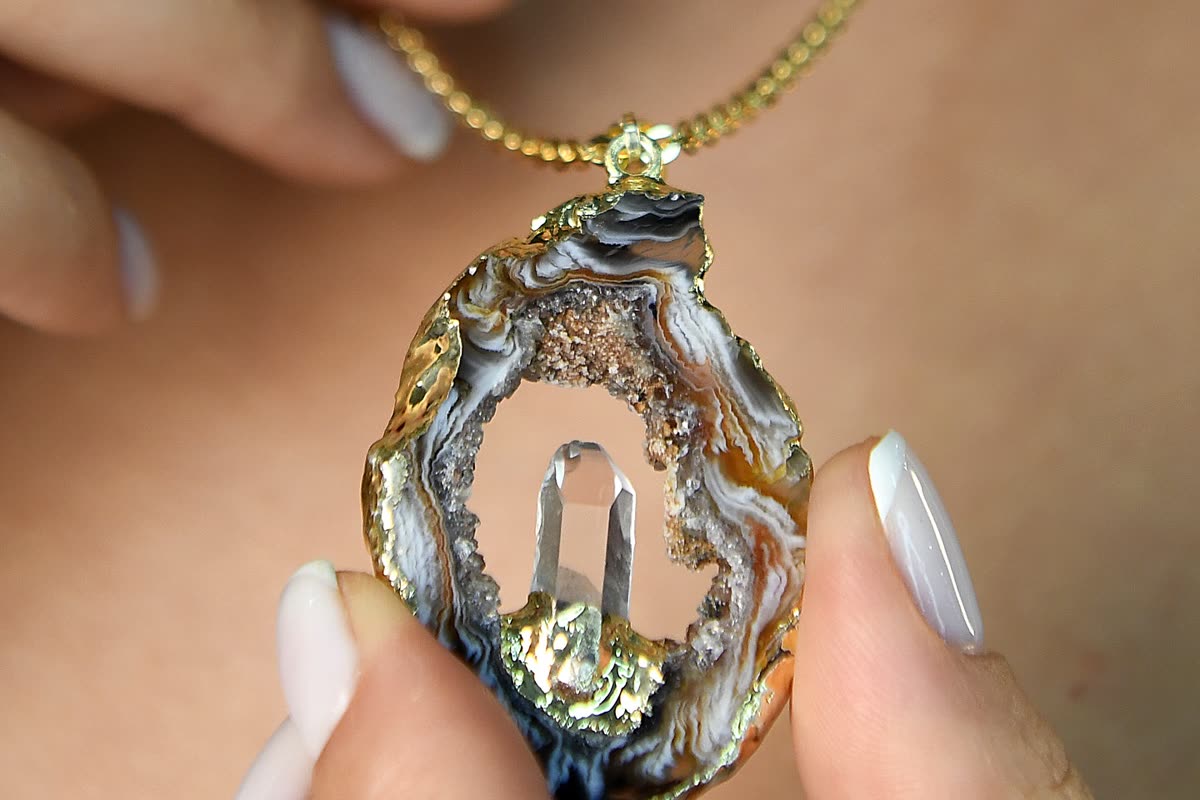
Jewelry businesses
Buying is technical: species, treatment status, size consistency and yield matter more than appearance in a photo. Jewelers usually buy rough, preforms and cabochons by weight, and consistency between orders is more valuable than a one-time price advantage.
Online sellers
Photography is the product. Material that photographs well (strong color, clear internal structure, defined form) outsells material that is objectively finer but looks flat on screen. Weight is a direct cost, so the value-to-weight ratio decides what is worth listing at all.
Live sellers
The format demands volume and variety, because the broadcast needs enough pieces to hold an audience and enough surprise to keep it. Mixed lots and graded assortments feed this better than tight SKU replenishment, and restock cadence matters more than any single purchase.
Decide Which Mix of Crystals to Buy Wholesale
A working crystal inventory is layered. Each layer does a different job, and removing one breaks the others.
| Layer | What it is | Its job | What happens without it |
|---|---|---|---|
| Volume products | Tumbled stones, small points, chips, inexpensive polished pieces | Bring people in and capture impulse purchases | Nothing for a first-time or low-budget customer to buy |
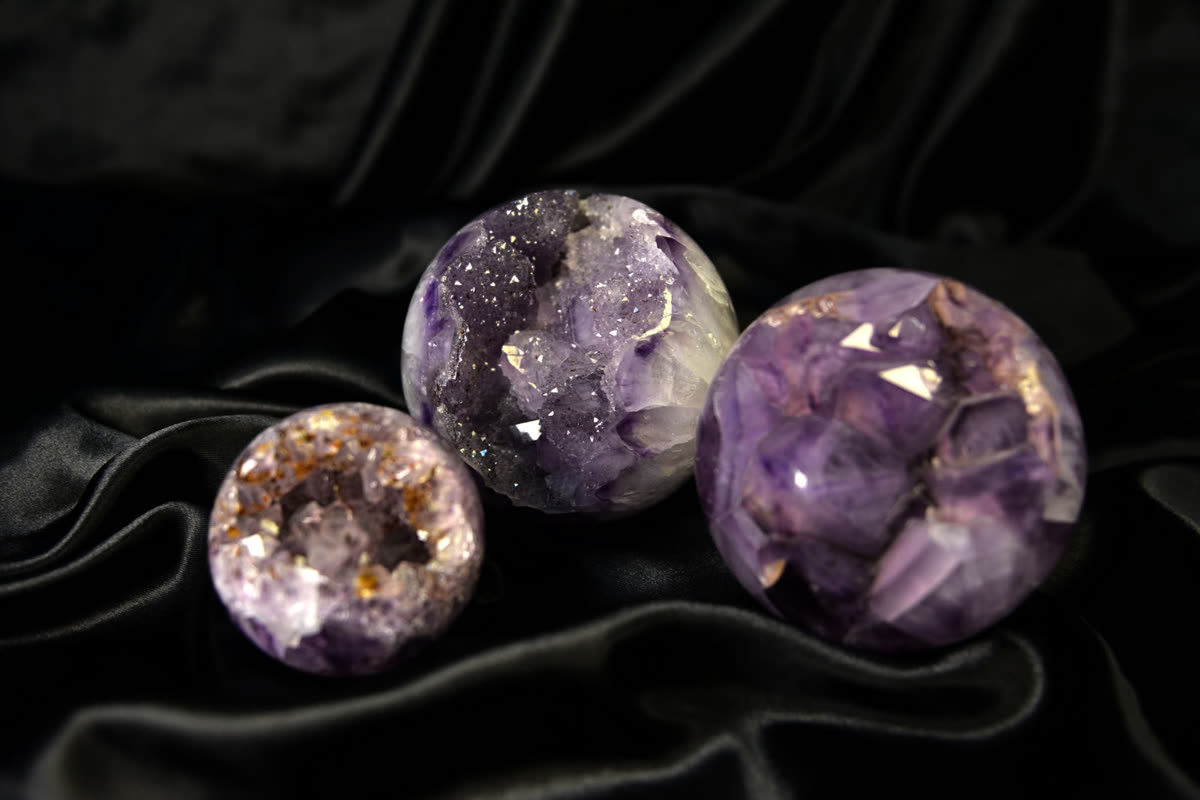
| Mid-ticket products | Clusters, towers, spheres, bowls, mid-size polished goods | Carry most of the gross margin | High traffic, low revenue: the most common failure |
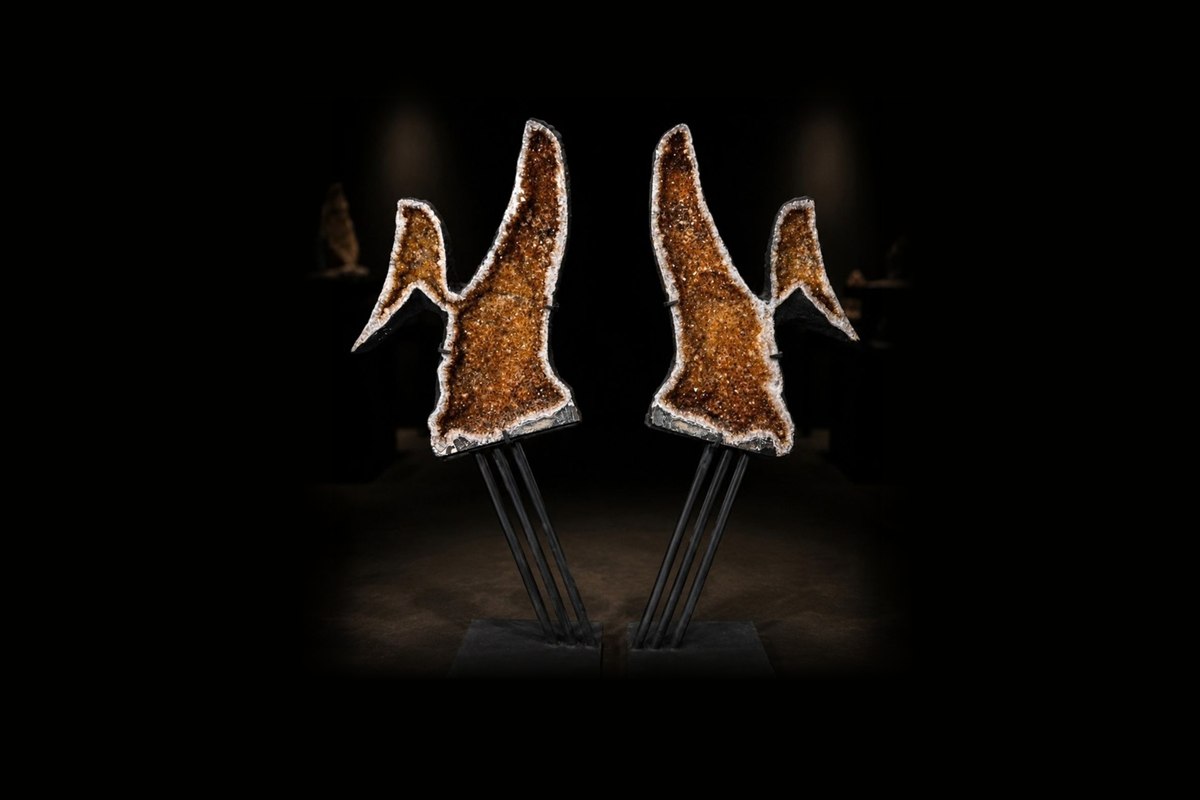
| Premium products | Fine specimens, larger formations, better color grades | Serve the collector and the serious buyer | You cede your best customers to another store |
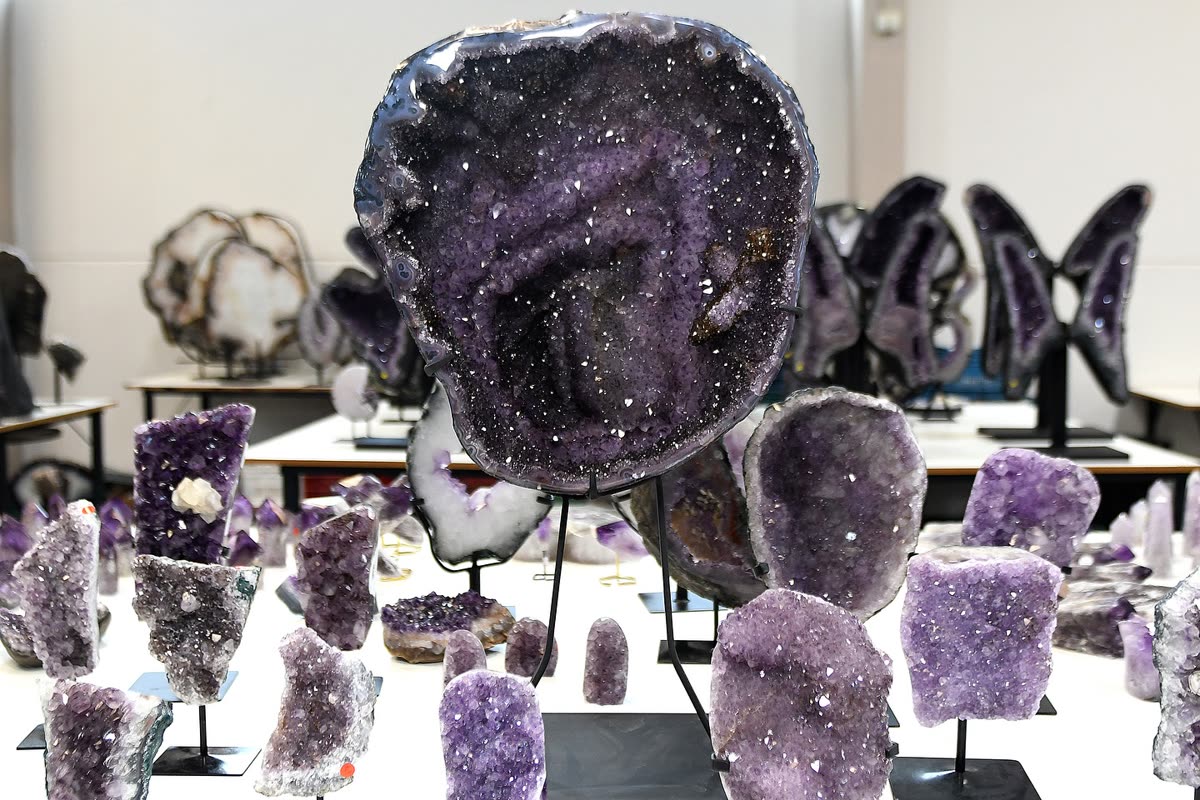
| Statement pieces | Large cathedrals, oversized towers, sculptural specimens | Define the store’s identity and justify a visit | The store looks like every other store |
The layer most often missing is the mid-ticket tier. For example, a store full of $8 stones and one $4,000 cathedral has plenty of traffic and no margin. In short, the mid-tier is where the business actually earns.
Understand MOQ Before You Buy Crystals Wholesale
MOQ means Minimum Order Quantity: the smallest order a supplier will accept. It exists because the fixed costs of fulfilling a wholesale order (handling, packing, export documentation, freight consolidation) do not scale down.
MOQ is expressed three ways, and confusing them is expensive:
- By order value: a minimum dollar amount per order
- By weight: a minimum number of kilograms, standard for rough and bulk
- By piece count: a minimum number of units, sometimes per SKU
So always ask which basis applies and whether it is per SKU or per total order. A 50-piece minimum per SKU forces you to buy fifty of everything, whereas a 50-piece minimum per order lets you buy five of ten things. Those are completely different businesses.
Compare the Suppliers You Buy Crystals Wholesale From
Score every supplier on the same criteria, in writing, before you compare prices. Price, in other words, is the last column, not the first.
| Criterion | What to evaluate |
|---|---|
| Origin | Can they name the region a lot came from? Do they buy at the mine, at a cutting center, or from another exporter? |
| Quality | Do they have grading language of their own and apply it consistently, or is everything “AAA”? |
| MOQ | Which basis, and per SKU or per order? |
| Catalog | Can they serve several price tiers from one order, or only one? |
| Communication | English, your business hours, a named contact, response within a day |
| Packing | Materials and method described before you ask; crates for large pieces |
| Shipping | Air and ocean both quoted, and quoted on clear terms (FOB / CIF / DDP) |
| Reviews / references | Verifiable commercial history; contactable buyers |
| Reorder reliability | Does a second order look like the first? This is the criterion that only time reveals: ask for a reference who has ordered repeatedly |
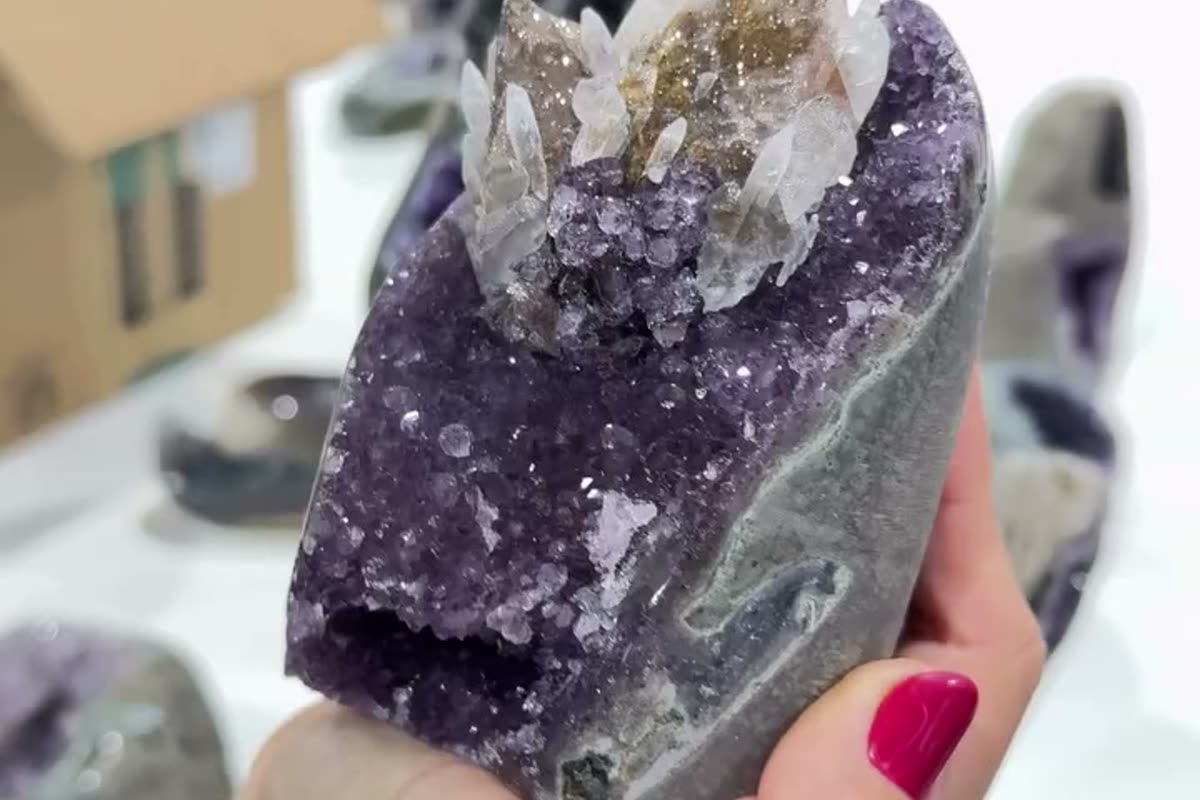
One test shortcuts most of this: ask for a short video of a specific piece, filmed in ordinary daylight with something of known size beside it. Suppliers with real inventory can produce it within a day, whereas others stall.
Buy Crystals Wholesale at Home or Import Direct?
| Criterion | Domestic supplier | Direct import |
|---|---|---|
| Unit price | Higher: includes their import cost and margin | Lower at origin |
| Landed cost certainty | Exact at checkout | Depends on freight, duties and fees |
| Lead time | Days | Weeks: days by air, longer by ocean |
| Minimum | Often a single box | Sized around a shipment |
| Selection | What they chose to import, months ago | The full range at origin |
| Unique pieces | Rare: usually claimed before export | Available |
| Exclusivity | None: same catalog as your competitors | High |
| Customs responsibility | None | Yours, unless DDP |
| Working capital | Less, for less time | More, for longer |
Most established retailers run both on purpose: domestic for fast replenishment of proven SKUs, direct import for statement pieces, differentiation and margin. In fact, treating it as an either/or decision is what forces the compromise.
Calculate the True Cost of Your Inventory
The unit price is not your cost. Rather, your cost is everything you spend to get a sellable item onto a shelf, divided by the number of items that are actually sellable.
Landed cost per sellable unit =
( product cost + international freight + duties and customs fees + insurance + packing, if billed + broker fees + inland freight + breakage allowance + your own handling and photography time ) ÷ number of units you can actually sell
Two line items get skipped, but both matter. Breakage is real in this category (stone is brittle and heavy) so carry an allowance rather than pretending it is zero. And sellable units is not the same as units received: on unsorted mine-run material, a meaningful share may be unsellable at retail. In other words, a cheap lot with a 40% reject rate is not cheap.
The detail on pricing structure is in How Much Are Crystals Wholesale?, and the retail side in How to Price Crystals to Sell.
How to Reduce Risk the First Time You Buy Crystals Wholesale
- Order small on purpose. A deliberately undersized first order is tuition, not inventory. Its job is to test the supplier, not to fill the store.
- Ship it by air, even if ocean is cheaper. After all, you want the feedback loop short. Learn whether the packing survives before you commit a container to it.
- Get it in writing. Species, quantity, size range, grade, treatment status, term (FOB/CIF/DDP), packing, lead time. A dispute about an undocumented expectation is a dispute you lose.
- Photograph the shipment before unpacking. Crate condition, then each layer. If there is breakage, the claim depends on evidence you can only capture once.
- Compare arrivals against the descriptions, item by item. Not impressionistically: against the spec you agreed.
- Buy the mid-tier first. It carries the margin, and it also turns. Statement pieces can wait until you trust the supplier.
- Use a customs broker on the first import. The fee is small against the cost of a misclassification that repeats across every subsequent shipment (see CBP importing basics).
- Do not commit to exclusivity early. Agreeing to be someone’s only channel in your city, before you know whether they can reorder consistently, is a risk with no upside.
Build a Reordering Strategy for Crystals You Buy Wholesale
The first order is the easy part. You build the business in the second, fifth and twentieth.
- Separate repeatable from unrepeatable. You can reorder polished goods cut to specification, but not found pieces. Track them as two different inventory classes with two different replenishment logics, because trying to reorder a unique piece is a conversation that ends in disappointment.
- Track sell-through by tier, not just by SKU. If your volume tier is turning and your mid tier is not, the problem is the mid tier’s selection, not the total budget.
- Set reorder points on your slowest lane. If replenishment comes by ocean, your reorder trigger has to sit weeks ahead of the stockout. Most stockouts in this category are calendar failures, not demand surprises.
- Buy seasonally, deliberately. Gift-driven demand concentrates in the fourth quarter, which means the buying decision happens in the third: earlier than feels natural if freight is slow.
- Give the supplier forecast, not surprises. A supplier who knows what you will likely need in ninety days can hold material for you. One who only hears from you when you are out cannot.
- Review the relationship, not just the invoice. Once a quarter: was quality consistent, was communication good, did lead times hold? Suppliers drift, and the drift shows up in these three before it shows up in price.
How CS Minerals Works With Wholesale Buyers
CS Minerals is a Brazilian supplier selling crystals, minerals and natural stones to wholesale and professional buyers in the United States. The process:
- Wholesale access. You request access and describe your business and buyer profile, so the assortment offered matches what you actually sell.
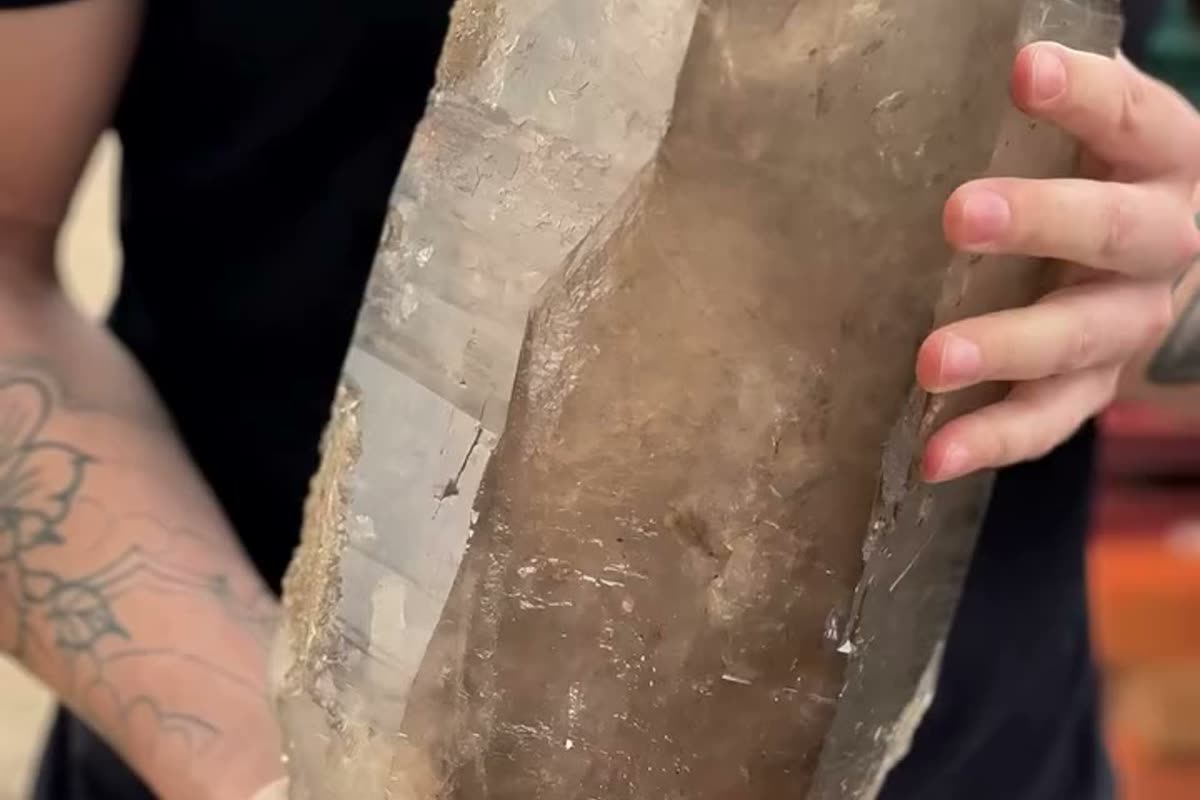
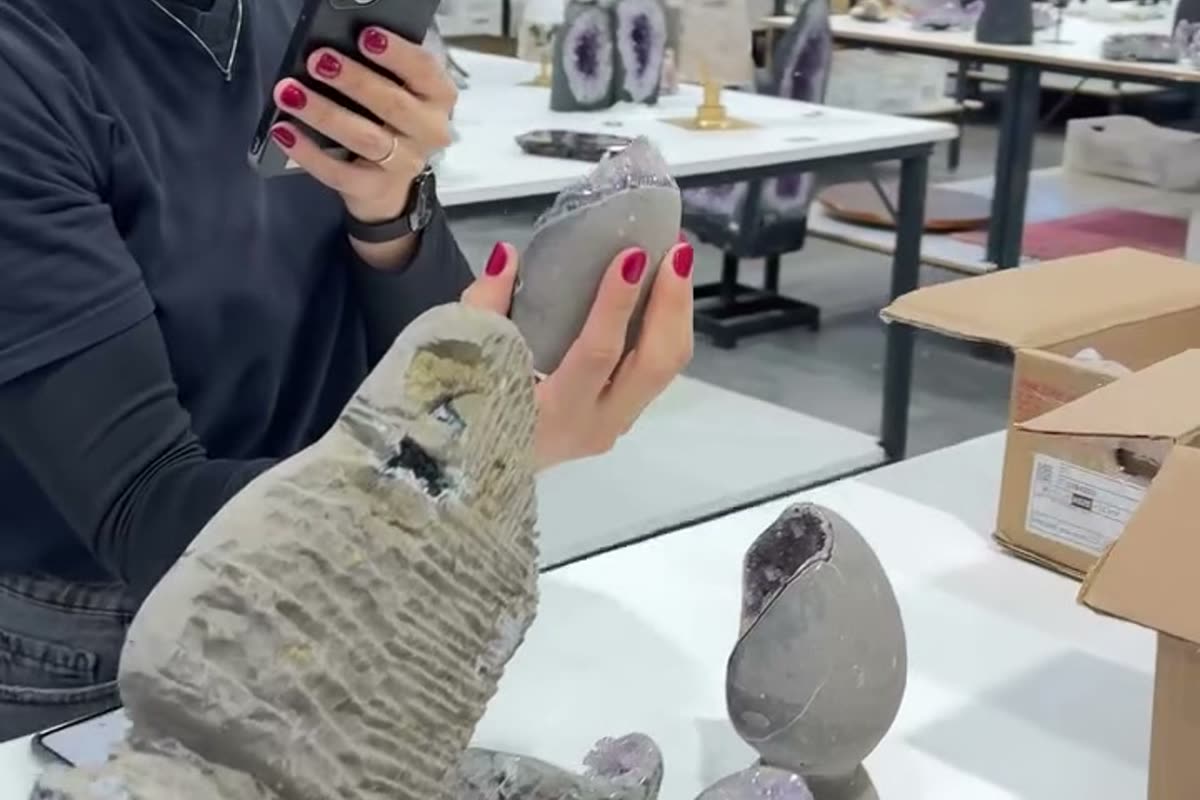
- Selection. From catalog material, from photographs and video of specific units, or live: with pieces handled on camera so you can judge size and color before claiming them.
- Quote on clear terms. Unit or lot pricing with the commercial term stated, so you can calculate landed cost rather than guess at it.
- Packing and shipping. Packed for international transit and shipped by air or ocean depending on the weight and urgency of the order.
- A named contact through the order rather than a generic inbox, which matters most when something needs resolving.
We set minimums, payment terms and lead times by buyer profile.
Related reading: Brazilian Crystal Wholesale Supplier, Who Are the Best Wholesale Crystal Suppliers? and Do I Need a License to Sell Crystals?
How to Buy Crystals Wholesale: Frequently Asked Questions
Where do retailers source wholesale stock?
From four types of seller: exporters in the countries where the material is mined, importers and distributors in your own country, wholesale marketplaces, and dealers at gem and mineral trade shows. Which is right depends on the material and the volume you need, mapped in our guide to wholesale sourcing channels
Do I need a business license to shop wholesale?
Most wholesalers sell only to businesses and ask for a resale certificate or equivalent before opening an account, because that documentation is what allows a tax-exempt wholesale purchase. Exact requirements depend on your state and on the supplier. This is general information, not legal advice: confirm with your state revenue authority.
What is the typical MOQ for crystals?
There is no single industry figure. For example, marketplaces and domestic distributors may have minimums measured in one box. In contrast, suppliers at origin size direct orders around an international shipment. Rough and bulk material usually carries weight-based minimums, while unique statement pieces are frequently sold as single units. Ask which basis applies and whether it is per SKU or per order.
Can small shops open wholesale accounts?
Yes. Small retailers typically start with a domestic distributor or a marketplace, where minimums are low and no customs process is involved, then move to direct import once sell-through data justifies the freight and the larger commitment. Starting with direct import is possible but concentrates a lot of learning into one expensive order.
Is it better to buy crystals domestically or import them?
Domestic buying wins on speed, small minimums and certainty. Direct import, on the other hand, wins on unit price, selection, access to unique pieces and exclusivity. Most established retailers use both deliberately: domestic for replenishing proven SKUs, direct import for differentiation and margin.
How do I calculate profit margins on crystals?
Start from landed cost per sellable unit, product cost plus freight, duties, insurance, packing, broker and inland fees, plus a breakage allowance, divided by the units you can actually sell. Then apply your retail price. Gross margin is (retail − landed cost) ÷ retail. Note that markup and margin are different numbers: doubling your cost is a 100% markup and a 50% margin.
Does CS Minerals ship crystals to the United States?
Yes. CS Minerals packs orders for international transit and ships to buyers in the United States by air or ocean freight depending on the weight and urgency of the order.
Request Wholesale Access
Ready to buy? Request wholesale access to CS Minerals for current availability, pricing and shipping options to the United States.
About CS Minerals
CS Minerals is a Brazilian supplier of crystals, minerals and natural stones serving wholesale buyers, retailers and professional buyers in the United States. The company combines Brazilian sourcing, product curation, live selling and international logistics to connect buyers with Brazilian stones and minerals.
Written by the CS Minerals Wholesale Team · Last updated
General commercial information, not customs, tax or legal advice. Confirm licensing and import requirements with your state authority and a licensed customs broker.