
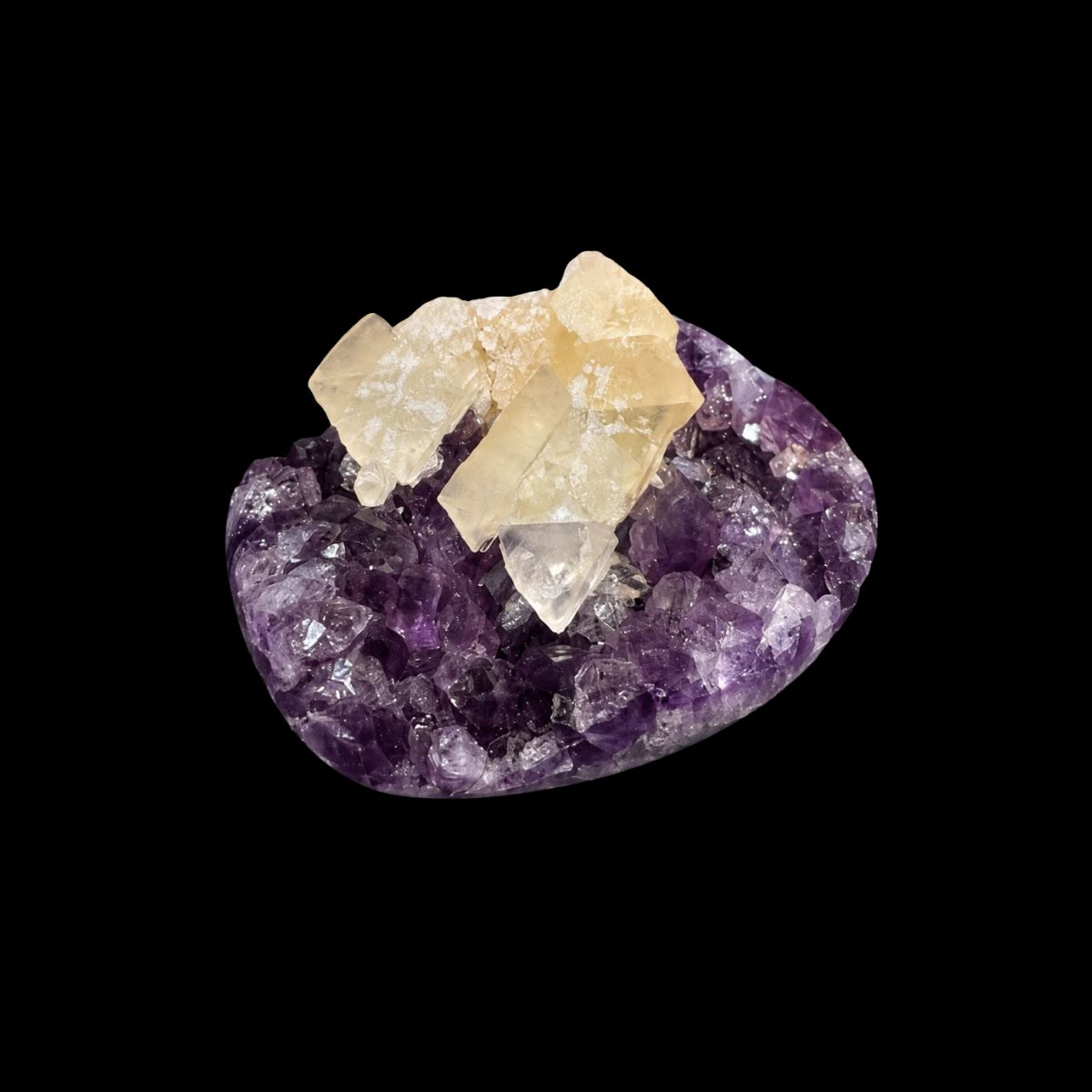
Crystal wholesale suppliers in the USA fall into three groups: domestic distributors who hold stock in American warehouses, dealers you meet at gem and mineral shows, and producers at the source who ship to you directly. Domestic distributors win on speed and simplicity. Buying at the source, for example from Brazil, usually wins on selection, price per piece and traceability, as long as you are ready to handle a US import.
By the CS Minerals Wholesale Team · Last updated
The choice matters because it shapes your margins, your inventory risk and how much paperwork lands on your desk. A shop that reorders tumbled stones every two weeks has different needs from a store that wants twenty amethyst cathedrals for a holiday window. This guide walks through each channel honestly, explains the US import steps that most blogs skip, and gives you a simple way to decide.
What Types of Crystal Wholesale Suppliers Exist in the USA?
Before comparing, it helps to know who actually sits in the supply chain. Most crystals sold in American shops were mined abroad. Brazil, Madagascar, Mexico, Morocco, Uruguay and several other countries produce the bulk of the material, and US businesses either import it themselves or buy from someone who did.
Domestic distributors and wholesale warehouses
These companies import in large volume, break the lots down and resell to retailers from a US warehouse. You order online or by phone, pay in dollars and get your box in days. The trade-off is that you pay for their import costs, storage, staff and margin. You also see only what they chose to buy, and the stone’s origin can be vague after passing through two or three hands.
Crystal wholesale suppliers at US gem shows
Shows such as the Tucson season in Arizona or the Denver show in September bring hundreds of wholesale dealers into one place, many of them importers or even producers. You can touch the material, negotiate and carry pieces home. Travel, hotel and time away from your store add real cost, and popular shows sell out of the best lots early. Always check the official show dates before planning a trip.
Crystal wholesale suppliers at the source
These are companies based in producing regions that sell directly to retailers abroad. For Brazilian material, that often means Rio Grande do Sul for amethyst and agate, or Minas Gerais for quartz and many other minerals. You skip at least one layer of margin and get closer to the people who handle the stone after it leaves the mine. In exchange, you become the importer of record, or you pay someone to act as your customs broker.
If you want a full scorecard for evaluating individual companies, we already published one in our guide to the checklist for vetting individual vendors. This article focuses on the channel decision itself.
Crystal Wholesale Suppliers USA: Distributors vs the Source, Side by Side
No channel is better in every case. The table below summarizes the trade-offs most US retailers run into when comparing crystal wholesale suppliers in the USA with direct import.
| Factor | US domestic distributor | Gem show dealer | Direct from the source (e.g. Brazil) |
|---|---|---|---|
| Speed of delivery | Fastest, often days | Immediate if you carry it home | Slower; international freight plus customs |
| Price per piece | Highest, includes importer margin | Varies widely; negotiable | Usually lowest per piece before import costs |
| Selection | Limited to what they stocked | Wide, but only during show dates | Widest for that origin’s materials |
| Traceability | Often vague | Depends on the dealer | Closest to origin |
| Paperwork | None for you | None, unless shipped internationally | You or your broker handle the US entry |
| Minimum order | Often low | Often per lot | Varies; some sources start around US$100 |
| Best for | Fast refills, small tests | Hand-picking, networking | Core inventory, statement pieces, better margins |
Many successful shops mix channels. They buy their core volume at the source, top up fast movers from a domestic distributor and use shows to find unusual pieces. Thinking in terms of a portfolio, not a single supplier, protects you when one channel has a gap.
When Do Domestic Crystal Wholesale Suppliers in the USA Make More Sense?
Paying a bit more to a US warehouse is often the smart move. It is not a failure of sourcing; it is a way to buy time and reduce risk.
- You are just starting out and do not yet know which stones your customers buy. Small, frequent orders let you learn without tying up cash.
- You need stock this week for an event, a market stall or a restock before a holiday weekend.
- Your order is very small and the fixed costs of an international shipment (freight minimums, broker fees) would eat the savings.
- You want mixed goods such as jewelry findings, display stands and packaging in the same box as your crystals.
- You have no time for paperwork and prefer a single invoice in dollars from a US company.
The weak points are margin and origin. When three companies each add their markup, a tumbled amethyst that cost cents at the source can reach your shelf at a price that leaves little room for your own margin. And if a customer asks where a piece came from, “our distributor in Texas” is not a very satisfying answer.
When Does Buying Crystals Directly from Brazil Make More Sense?
Direct import starts to pay off once your volume is steady and your best sellers are materials that come from one country. Brazil is a natural candidate because it produces a huge share of the world’s amethyst, agate, citrine (much of it heat-treated amethyst, which should be labeled as such), clear quartz and geodes.
Better price per piece
Buying close to the mine removes at least one layer of margin. Even after freight, broker fees and any duties, many retailers find the landed cost per piece lower than a domestic wholesale price, especially for heavy decor items like geodes and cathedrals where US distributors charge a premium.
Wider and deeper selection
A supplier in a producing region sees far more material than any single US warehouse stocks. You can ask for a specific color grade of amethyst, a matched pair of agate bookends or a cathedral of a certain height. For a sense of what the country produces, see our overview of crystals found in Brazil.
Traceability and storytelling
Customers increasingly ask where their stones come from. Being able to say “this amethyst came from southern Brazil, bought from a family business in Soledade” is a story that sells. It also helps you disclose treatments honestly, because you are closer to the people who know whether a piece was heated, dyed or polished.
The honest downsides
Direct import is slower. You need to plan ahead, pay before shipment in most cases and deal with the US entry process. Heavy pieces cost real money to ship. And if a box arrives with a problem, resolving it across borders takes more communication than returning a parcel to a warehouse in Ohio. Ask any source supplier for their current lead times, packing method and how they handle damage claims before you order.
How Does Importing Crystals into the USA Work?
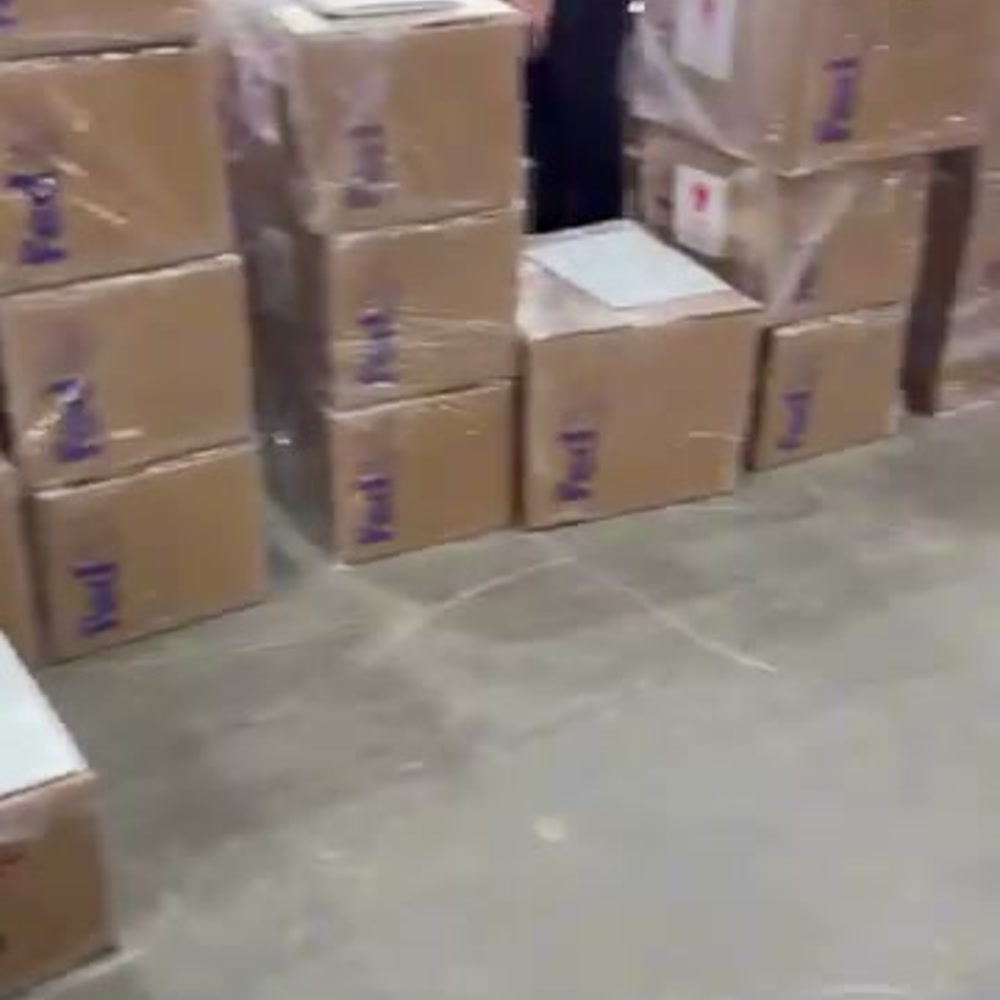
This is the part most “best supplier” lists skip. You do not need to be a customs expert, but you should understand the basic steps. Rules change, so treat this as orientation and confirm current requirements with US Customs and Border Protection (CBP) or a licensed customs broker.
Importer of record and customs brokers
Every commercial shipment entering the US has an importer of record, the party responsible for the entry, the declared value and any duties. For small retailers that is usually you. Most businesses hire a licensed customs broker to file the entry on their behalf. Couriers such as the big express carriers often act as broker for the shipments they carry and bill you the fees afterward.
Informal vs formal entry
CBP distinguishes between informal entries for lower-value shipments and formal entries for higher-value ones, which require more documentation and usually a customs bond. The value threshold between them and the exceptions are set by CBP, so check the current figure on cbp.gov or ask your broker before you size your order. Splitting one order into many small boxes to stay under a threshold is not a good idea and can create compliance problems.
De minimis and duties
For years, many low-value parcels entered the US duty free under the de minimis rule. That changed: CBP suspended the de minimis exemption, and in June 2026 it published rules making the suspension indefinite, so low-value commercial shipments now need an entry and may owe duty. Tariff treatment for Brazil-origin goods has also changed several times recently. Because of that, we do not publish duty percentages. Ask your broker to look up the current Harmonized Tariff Schedule (HTS) classification and rate for your specific products before you place a large order.
Documents to expect from crystal wholesale suppliers
- A commercial invoice with a clear description of the goods (for example “polished amethyst geode, natural stone, decorative”), quantity, unit value, total value and country of origin.
- A packing list showing what is in each box or crate and its weight.
- The air waybill or bill of lading from the carrier.
- Any wood packaging should meet international phytosanitary standards (ISPM 15 heat treatment marks), which reputable exporters already use for crates.
Clear, accurate descriptions speed up clearance. Vague terms like “stones” or “gift items” invite questions. For more on the business registration side of selling, see our article on whether you need a license to sell crystals.
How to Compare Landed Cost Across Crystal Wholesale Suppliers
Comparing a US price list with a Brazilian quote is meaningless until both are converted into landed cost per piece, meaning what each item really costs once it sits on your shelf. Build a simple spreadsheet with these lines:
- Product cost from the supplier invoice.
- International freight, which depends heavily on weight and on air vs sea.
- Insurance, if not included.
- Customs broker fees and any entry or processing fees.
- Duties and taxes according to your broker’s classification.
- Domestic delivery from the port or airport to your store.
- Payment costs such as wire fees or currency conversion.
Divide the total by the number of sellable pieces and compare that number with the domestic wholesale price for the same quality. Run the math for two or three order sizes. Very often the answer is that small orders are cheaper from a US distributor, while larger or heavier orders are cheaper from the source. Our breakdown of how much crystals cost wholesale explains how price structures work by type and size.
How to Vet Overseas Crystal Wholesale Suppliers from the USA
Buying from another country means you cannot drive over and inspect the warehouse. You can still reduce risk with a few practical checks.
See the stock in real time
Ask for a video call or join a live selling session where the supplier shows actual pieces, not stock photos. Real-time video lets you check color, size, damage and polish before paying. It also tells you a lot about how the business is run.
Ask direct questions about treatments
A reliable supplier will tell you plainly whether citrine is natural or heat-treated amethyst, whether agate is dyed, and whether a piece has been repaired or glued. If the answers are evasive, move on.
Start with a test order
A modest first order shows you packing quality, communication speed, invoice accuracy and how the goods look compared with what you saw on camera. Scale up once the first shipment clears smoothly.
Confirm terms with crystal wholesale suppliers in writing
Before paying, get in writing the payment method, the shipping terms (who pays freight and when risk passes to you), the expected lead time and what happens if something arrives broken. Terms vary a lot between suppliers, so never assume.
Choosing Crystal Wholesale Suppliers in the USA: A Practical Strategy
If you are still unsure, this three-step approach works for most independent retailers comparing crystal wholesale suppliers in the USA with overseas sources.
- Months 1 to 3: buy small from a domestic distributor to learn what sells. Track units sold per stone and per size.
- Months 3 to 6: place a test order at the source for your top five sellers plus one or two statement pieces. Compare landed cost and sell-through.
- After 6 months: move your steady core volume to the source, keep the distributor for emergency refills and use shows to discover new material.
This way you never bet the whole shop on one channel, and every decision is based on your own sales data rather than a supplier’s sales pitch.
Frequently Asked Questions
Where do US crystal shops usually buy their stock?
They fall into three groups: domestic distributors with US warehouses, dealers selling at gem and mineral shows, and overseas producers who ship directly to US retailers. Most of the material in all three groups was mined abroad. The right choice depends on your volume, deadline and how much import paperwork you are willing to handle.
Is it cheaper to buy crystals directly from Brazil than from a US distributor?
Often yes on price per piece, but not always on landed cost. Once you add freight, broker fees and any duties, small orders can end up more expensive than buying domestically. Larger and heavier orders, such as geodes and cathedrals, usually show the biggest savings at the source.
Do I need a customs broker to import crystals into the US?
It is not legally required for every shipment, but most small businesses use one because the entry rules are detailed. Express couriers often act as broker for the parcels they deliver. For larger or formal entries, a licensed customs broker saves time and reduces the risk of errors.
More Questions
Do crystals from Brazil pay import duty in the United States?
That depends on the product’s HTS classification and on current trade measures, which have changed several times recently. The US also suspended the de minimis exemption, so low-value commercial shipments are no longer automatically duty free. Ask your customs broker or check CBP for the current rate before ordering.
What documents come with a wholesale crystal shipment?
Expect a commercial invoice, a packing list and the carrier’s air waybill or bill of lading. The invoice should describe the goods clearly, state their value and list the country of origin. Wooden crates should carry ISPM 15 treatment marks.
How can I check an overseas crystal supplier before paying?
Ask for a live video showing the actual pieces, question them directly about treatments like heating and dyeing, and place a small test order first. Get payment, shipping and damage terms in writing. A supplier who is open about all of this is usually a safer partner.
Buy Direct from Soledade: Crystal Wholesale for the USA
CS Minerals is a Brazilian crystal and mineral wholesaler based in Soledade, Rio Grande do Sul, the town known as Brazil’s agate capital. With 25 years in the trade, we ship wholesale orders worldwide, including to the United States, with a minimum order of US$100. You can watch real pieces on our live selling sessions, broadcast from the warehouse Monday to Friday, 8am to midnight Brazilian time, on Instagram @csminerals. See the step-by-step process on our how to order wholesale crystals page, or browse the wholesale collection.