
By the CS Minerals Wholesale Team · Last updated
Wholesale crystals for metaphysical stores should start with a core assortment of steady sellers, such as amethyst, clear quartz, rose quartz, citrine, black tourmaline and agate, supported by a smaller range of specimens and statement pieces. Most shops buy tumbled stones and small points by the kilo and larger pieces individually. The shops that last also label every stone honestly, describing traditional associations without making health claims.
A metaphysical store sells meaning as much as minerals. Customers come in looking for a specific stone, a specific intention or a specific gift, and they come back when they trust the shop. That trust depends on three things you control at the buying stage: what you stock, where it comes from and how you describe it.
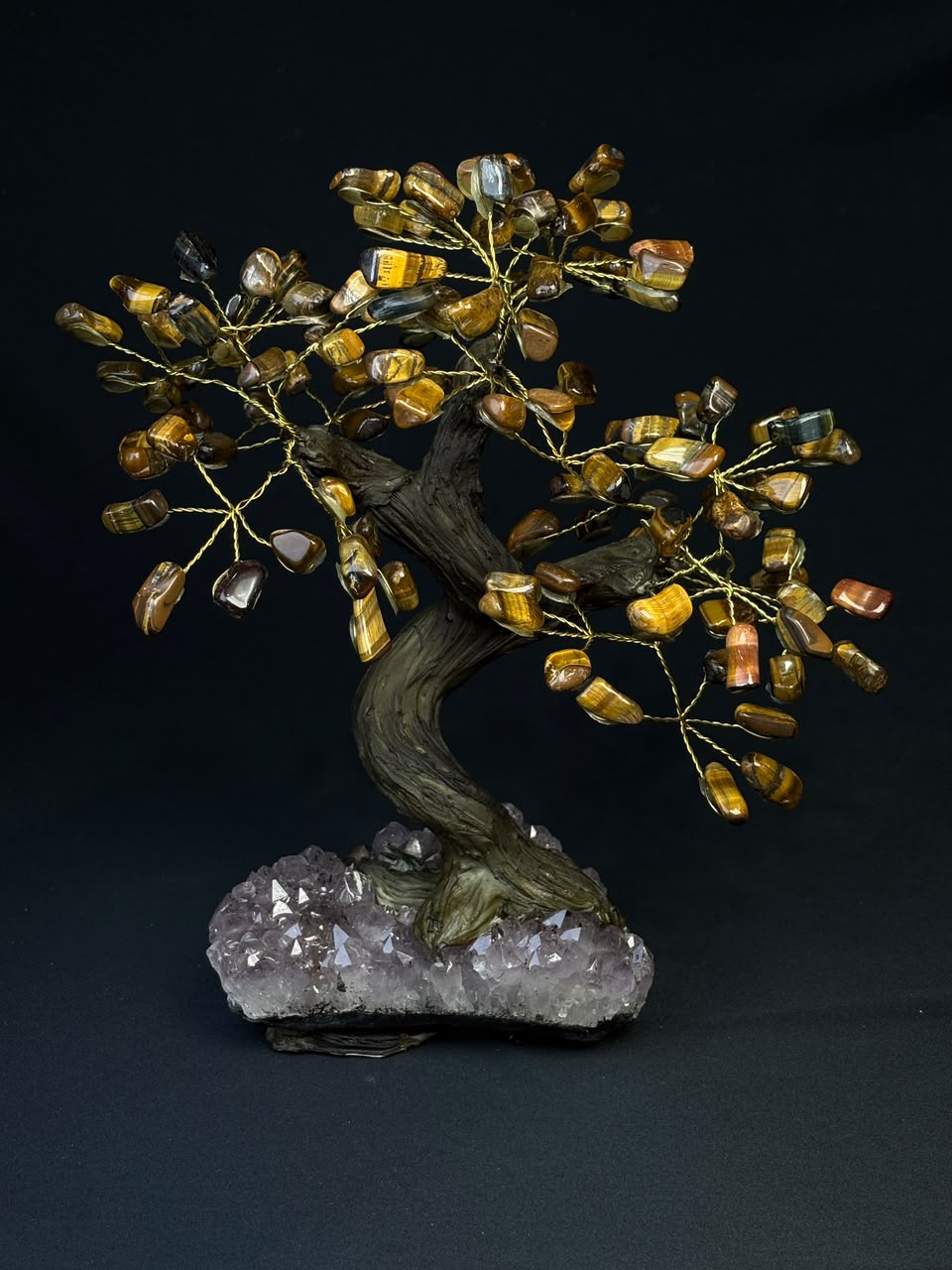
Wholesale Crystals for Metaphysical Stores: What Should You Stock First?
Every shop has its own personality, but the core best sellers are remarkably consistent across markets. These are the stones customers ask for by name, and running out of them costs you sales every day.
The core assortment
- Amethyst: tumbled, points, clusters and geodes. The most requested crystal in most shops, traditionally associated with calm and intuition.
- Clear quartz: tumbled, natural points and clusters. Traditionally associated with clarity and amplifying intention.
- Rose quartz: tumbled, hearts and rough. Traditionally associated with love and self-compassion.
- Citrine: tumbled, points and clusters. Traditionally associated with abundance. Much of it is heat-treated amethyst and must be labeled accordingly.
- Black tourmaline: rough and tumbled. Traditionally associated with protection.
- Smoky quartz: points and tumbled. Traditionally associated with grounding.
- Agate: slices, tumbled and geodes. Traditionally associated with balance. Dyed colors must be disclosed.
- Sodalite and hematite: tumbled stones that sell well in bowls at the counter.
Popular non-Brazilian additions
Many metaphysical shops also stock stones from other countries. Common examples include labradorite (often from Madagascar), tiger’s eye (often from South Africa), obsidian (often from Mexico), mookaite (Australia) and moldavite (Czech Republic). Label each with its real origin. Some suppliers in Brazil, including CS Minerals, can consolidate a selection of non-Brazilian stones with Brazilian material in one shipment.
For an overview of how the main crystal categories fit together, see our guide to wholesale crystals by type.
Tumbled Stones vs Specimens: How Should Metaphysical Stores Split the Budget?
The biggest structural decision for a metaphysical store is the balance between small, affordable items and larger display pieces. Each plays a different role.
| Item type | Role in the shop | Typical wholesale unit | Turnover | Margin logic |
|---|---|---|---|---|
| Tumbled stones | Impulse buys, gifts, first purchases | By kilo | Fast | High markup per piece, low ticket |
| Small points and rough | Everyday sellers, grids, altar pieces | By kilo | Fast to medium | Good markup, easy to price by size |
| Carvings (hearts, spheres, towers) | Gifts, higher ticket, online sales | By piece or kilo | Medium | Priced on shape and finish |
| Clusters and geodes | Displays, home decor, collectors | By kilo or piece | Medium | Priced on beauty, not weight |
| Statement pieces (cathedrals, large geodes) | Window draw, brand image, occasional big sale | By piece | Slow | High ticket, ties up cash |
A practical starting split
Many shops put most of their first order into tumbled stones, small points and mid-size clusters, because these turn quickly and fund the next order. A smaller share goes to carvings, and a few statement pieces anchor the display. There is no universal formula, but a shop that spends most of its budget on slow showpieces often struggles with cash flow in its first year.
If you are still planning your budget, our article on how much money you need to start a crystal business walks through the numbers.
How to Label Crystals in a Metaphysical Store Without Health Claims
This is where many shops get into trouble. Customers often ask what a stone “does,” and it is natural to want to answer. But advertising and consumer protection regulators treat health claims seriously, whether they appear on a label, a website or a social post.
In the US, the FTC expects health claims to be backed by competent and reliable scientific evidence. In the UK, the ASA and CAP Code apply similar principles. In Australia, the ACCC enforces consumer law against misleading claims. Crystals do not have that kind of evidence behind them, so any statement that they heal, cure or treat a condition is a risk.
Wording that works
- “Traditionally associated with calm and intuition.”
- “In crystal traditions, rose quartz is linked with love and self-compassion.”
- “Many people use black tourmaline as a reminder of protection.”
- “Sold as a mineral specimen. Metaphysical properties are traditional beliefs and not medical claims.”
Wording to avoid
- “Heals anxiety,” “cures insomnia” or “treats headaches.”
- “Removes toxins,” “boosts immunity” or “blocks radiation.”
- Any claim that a stone replaces medical care.
A good label has four parts
For each stone, include the name, the origin, any treatment (heated, dyed, irradiated, coated) and a short traditional association phrased as tradition. This format builds trust and keeps you on the right side of the rules. For a broader look at the legal side of selling crystals, see do I need a license to sell crystals.
Which Treatments Must a Metaphysical Store Disclose?
Metaphysical customers often care deeply about whether a stone is “natural.” That makes honest disclosure even more important in this type of shop than in a general gift store.
- Citrine: much of the orange and yellow material on the market is heat-treated amethyst. Label it as “heat-treated citrine” or “heated amethyst.”
- Agate: bright blue, pink, purple and green agate is almost always dyed. Label it as “dyed agate.”
- Smoky quartz: some is artificially irradiated. Ask your supplier and label accordingly.
- Aura quartz: clear quartz with a thin metal coating. Label it as “coated.”
- Howlite and magnesite: often dyed to imitate turquoise. Never sell them as turquoise.
- Opalite: a man-made glass, not a natural stone. Label it as glass.
- Moldavite: a popular target for fakes. Buy only from suppliers you trust and be cautious of very low prices.
Disclosing treatments does not hurt sales as much as many owners fear. Many customers are happy to buy a treated stone at a fair price, and they are far more loyal to a shop that told them the truth.
How to Buy Wholesale Crystals for Metaphysical Stores
Buying for a metaphysical store is about building a reliable flow of core stones while adding enough novelty to bring customers back. Here is a practical process.
- Build a core list. Write down the 15 to 25 stones customers ask for most. These should never run out.
- Choose formats for each. Tumbled, points, rough, carvings or clusters, depending on how your customers buy.
- Ask for grade definitions and photos. Ask what each grade label means and request photos or video of the actual lots.
- Ask about treatments and origin in writing. Your labels are only as good as your supplier’s information.
- Plan a rotation. Add a few new or seasonal stones in each order to give regulars a reason to come back.
- Check shipping and import rules. Ask for current shipping options and lead times, and check duties and taxes for your country with the official source (US CBP, HMRC, EU TARIC, Australian Border Force).
Set a reorder rhythm
Metaphysical stores tend to sell the same core stones every week, so running out is a bigger risk than overstocking. A simple habit helps: count your top ten stones every month and reorder when any of them drops below a few weeks of sales. Long international shipments mean you should reorder earlier than you would with a local distributor.
Keep a short notebook, paper or digital, of what customers ask for and do not find. Those requests are the best guide for your next order. If three people in a month ask for a stone you do not carry, it probably deserves a small test lot.
Leave room for novelty
Regular customers want something new to discover. Reserve a small part of each order for unusual pieces: a striking cluster, a rare color, a stone with an interesting growth pattern or a new carving shape. These items rarely drive the bulk of your revenue, but they give people a reason to visit again and share photos online.
Buying from origin with live video
Buying close to the source helps traceability and often gives you more choice, especially for amethyst, citrine, agate and quartz from Brazil. At CS Minerals, the team runs live selling from the Soledade warehouse Monday to Friday, 8am to midnight Brazilian time, on Instagram @csminerals. Shop owners can see lots in real time, ask questions about origin and treatment, and pick pieces before ordering.
Merchandising and Pricing Tips for Metaphysical Shops
How you present crystals affects both sales and margin. A few habits make a big difference.
Group by intention and by stone
Many metaphysical stores display by intention, such as calm, love or protection, because that is how customers think. Keep a second, stone-by-stone section for customers who know exactly what they want. Both should carry the same honest labels.
Price small items simply
Tumbled stones sell best in bowls with a single price per stone or per scoop. Larger pieces should be priced individually by beauty and size, not by weight. For more pricing guidance, see how to price crystals to sell.
Care cards and safety notes
Some stones should not be placed in water or used to make “crystal water.” Selenite, for example, is soft and water-sensitive, and some minerals contain elements that are not suitable for contact with drinking water. A simple care card by the register, advising customers to keep stones dry and out of drinking water, avoids problems and shows expertise.
Protect the showpieces
Heavy geodes and cathedrals should sit on stable, low surfaces, away from the edge of shelves and out of reach of small children. They draw people in, so give them light and space.
Frequently Asked Questions
What are the best-selling crystals for a metaphysical store?
Amethyst, clear quartz, rose quartz, citrine, black tourmaline, smoky quartz and agate are consistent best sellers in most metaphysical shops. Tumbled stones and small points of these materials move fastest. Labradorite, tiger’s eye, obsidian and moldavite are popular non-Brazilian additions.
Should a metaphysical store buy tumbled stones or specimens?
Both. Tumbled stones and small points turn quickly and fund your next order, while clusters, geodes and carvings raise your average ticket and make the shop memorable. Many shops put most of the budget into fast sellers and a smaller share into display pieces.
Can I say crystals have healing properties on my labels?
It is safer not to. Regulators such as the FTC, the ASA and the ACCC expect health claims to be backed by solid evidence, which crystals do not have. Describe properties as traditional associations, for example “traditionally associated with calm.”
More Questions
Do I have to tell customers if citrine is heat-treated?
Yes. Much of the citrine on the market is heat-treated amethyst, and treatments that affect value should be disclosed. A label such as “heat-treated citrine” is honest and simple.
How much should a metaphysical store order at first?
It depends on your space and budget, but many new shops start with a focused order of core stones in several formats and add more after they see what sells. At CS Minerals the minimum order is US$100, which makes it possible to test a supplier before committing to larger volumes. Mixing stones in one shipment helps control freight cost.
Is it better to buy crystals from a local distributor or from the source?
Local distributors offer speed and small quantities, while buying from origin usually offers more choice, clearer origin information and better value on core materials. Many metaphysical stores use both, buying core Brazilian stones from origin and topping up locally.
Stock Your Metaphysical Store Direct from Brazil with CS Minerals
CS Minerals is a wholesale supplier of crystals, minerals and natural stones based in Soledade, Rio Grande do Sul, Brazil, with 25 years of experience. We supply the core stones metaphysical stores rely on, including amethyst, citrine, clear and smoky quartz, agate, geodes and cathedrals, and we can consolidate selected non-Brazilian stones in the same shipment. We ship internationally, the minimum order is US$100, and you can shop live from our warehouse Monday to Friday, 8am to midnight Brazilian time, on Instagram @csminerals.
Learn how to order wholesale crystals or browse the wholesale collection.